Extreme Weather Is No Longer Rare
Hurricanes, floods, and heatwaves are happening more often. Your electrical infrastructure may not be ready. Many factory owners only think about this after a disaster. But waiting until then is far too late. I have seen entire production lines shut down for weeks. The cause was simply water in a few plugs. This article gives you a clear action plan. These steps come from my real post-storm repair work. Let us make your facility resilient against the new normal.
Why Standard Industrial Plugs Fail in Floods
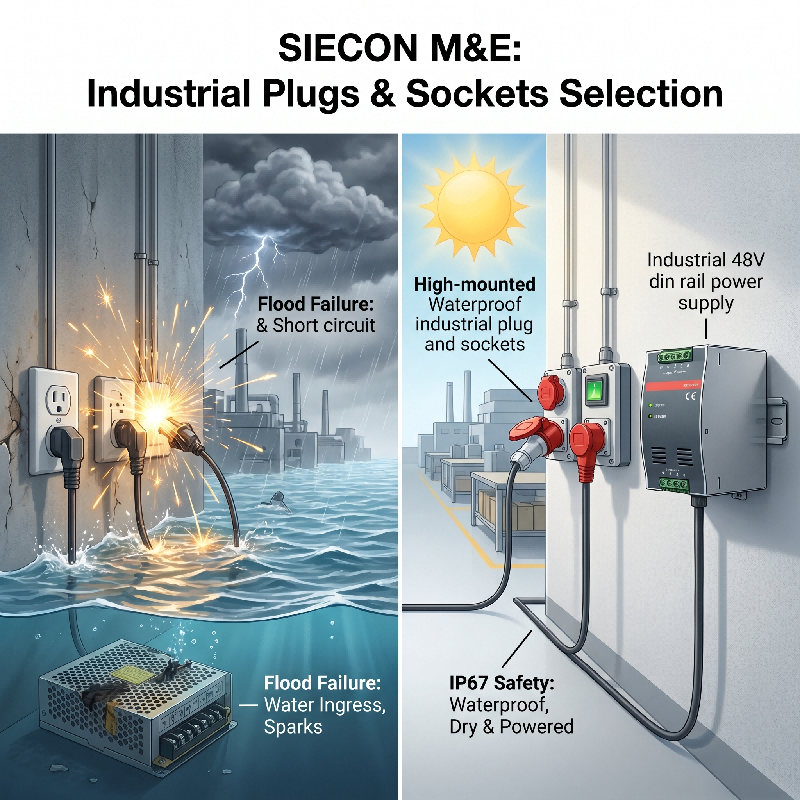
Most standard plugs are only rated for indoor use. They have minimal gaskets and poor sealing. I responded to a food plant after a coastal flood. The plant had only 20 centimeters of water inside. Yet 14 motors would not restart afterwards. The cause was water inside every standard plug. Water entered through the cable entry and pin gaps. The plant had no IP67 rated plugs anywhere. Each motor needed a full electrical cleaning. Production stopped for 11 full days. This was completely preventable with better plugs.
How Heatwaves Overload and Damage Connectors
High heat weakens plastic housings and terminal springs. A poultry processing plant called me during a 40°C heatwave. Their conveyor system kept stopping randomly. We found that plug housings had become soft and deformed. The deformed housings allowed pins to shift slightly. Loose connections then generated even more heat. This created a dangerous overheating cycle. The plant had no heat-rated or derated components. We replaced everything with high-temperature rated IP67 plugs. The system ran perfectly through the next heatwave. Always check your components’ maximum operating temperature rating.
Real Hurricane Case: What Failed and What Survived
Hurricane Maria hit a Caribbean bottling plant directly. The plant was flooded with saltwater for six hours. I inspected the damage three days after the storm. All standard NEMA plugs were completely destroyed. Saltwater corrosion had eaten through their pins. However, three IP67 industrial plugs on higher walls still worked. Those plugs were properly sealed and mounted correctly. The plant lost over 500,000 dollars in downtime. They spent 80,000 dollars replacing every plug afterwards. They also raised all electrical connection points higher. The plant has survived two more floods without plug failure.
The 5-Step Hardening Plan You Can Implement Now
Step one is a complete facility walkthrough survey. Identify every plug below one meter from the floor. Step two is replacing them with genuine IP67 rated plugs. Look for IEC 60309 compliant models only. Step three is adding dielectric grease to all pin contacts. This prevents corrosion even if moisture enters. Step four is installing wall-mounted plug holders at chest height. This keeps plugs off wet floors permanently. Step five is training your staff on proper plug sealing. A twisted seal can destroy the IP67 protection completely. Do these five steps before the next storm season arrives.
How to Choose the Right IP67 Plug for Your Zone
Not all IP67 plugs are equal for every environment. For coastal areas, choose nickel-plated or stainless steel pins. Standard brass pins will corrode within months near saltwater. For chemical plants, choose fluororubber gaskets instead of standard rubber. And for food processing, choose smooth housings that resist bacterial growth. For high vibration areas, choose plugs with locking levers or screw terminals. I always specify specific materials based on each site’s hazards. Ask your supplier for material certifications before purchasing. The right plug material will last for many years. The wrong material may fail in the first storm.
Conclusion: Start Your Resilience Plan This Week
Extreme weather will not wait for your convenience. A flood or heatwave could come this very season. You have learned from real failures and real fixes. You also have a clear five-step hardening plan now. Start with the most critical production line first. Upgrade those plugs before the next weather alert. Then move to the rest of your facility systematically. Do not let a twenty dollar plug stop your business. My team and I have seen this happen too many times. Be proactive, and your plant will stay running.
Author Introduction: About the Expert Who Wrote This Guide
My name is David Chen, a senior electrical engineer. I have 18 years of industrial power system experience. My work covers factories, ports, and water treatment plants. I have personally repaired flood-damaged electrical systems after three major hurricanes. And I am an IEC 60309 certified trainer. I also consult for multinational manufacturing firms. This guide shares real lessons from my field work. You will get practical steps, not just theory.