
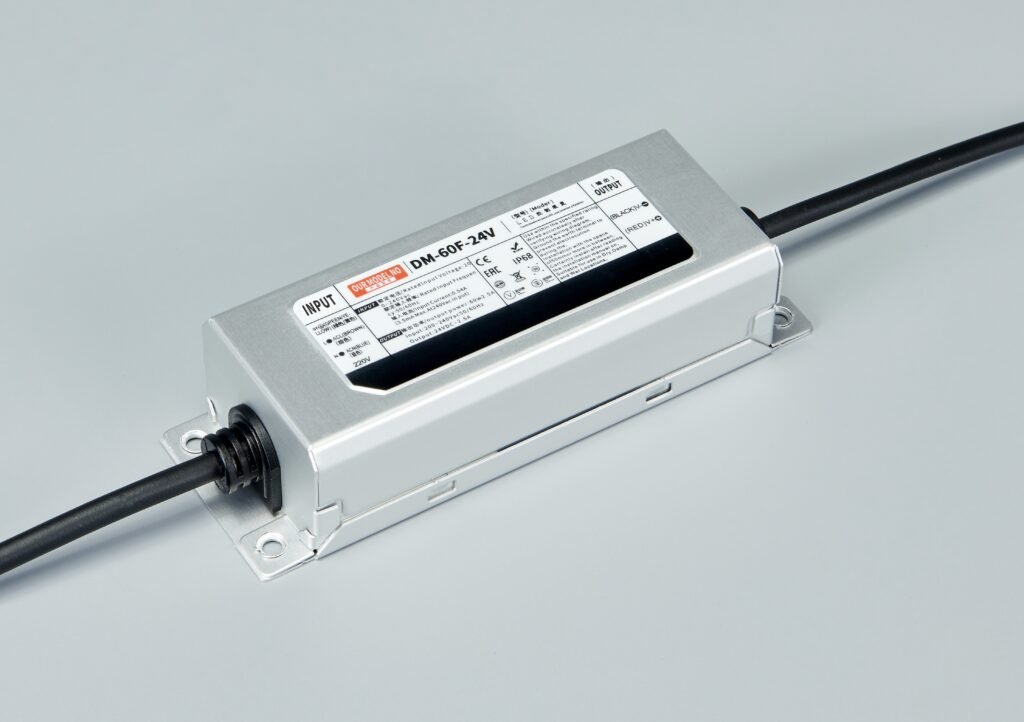
Introduction: Why Waterproof Protection Matters for Outdoor LED Systems
When planning outdoor lighting projects, selecting the right waterproof LED power supply becomes absolutely critical for long-term reliability and safety. Outdoor environments expose electrical components to rain, snow, humidity, temperature extremes, and physical contaminants that can quickly damage standard power supplies. This comprehensive guide explores everything you need to know about waterproof LED power supply selection, installation, and maintenance for successful outdoor lighting implementations.
1. Understanding Waterproof Ratings and Standards
IP Rating System Explained
The International Protection (IP) rating system provides a standardized method for classifying electrical enclosure protection levels. For waterproof LED power supply units, understanding these codes is essential for proper selection.
IP Code Structure:
IP XY
│  │
│  └─ Second digit: Liquid protection level
└─ First digit: Solid particle protection level
First Digit (Solid Protection):
IP0X: No protection
IP1X: Protected against solid objects >50mm
IP2X: Protected against fingers and objects >12.5mm
IP3X: Protected against tools and wires >2.5mm
IP4X: Protected against tools and wires >1mm
IP5X: Dust protected (limited ingress)
IP6X: Dust tight (no ingress)
Second Digit (Liquid Protection):
IPX0: No protection
IPX1: Protected against vertically falling drops
IPX2: Protected against 15° tilted drops
IPX3: Protected against spraying water up to 60°
IPX4: Protected against splashing from any direction
IPX5: Protected against water jets (6.3mm nozzle)
IPX6: Protected against powerful water jets (12.5mm nozzle)
IPX7: Protected against temporary immersion (1m, 30min)
IPX8: Protected against continuous immersion
Recommended IP Ratings for Outdoor Applications
Minimum Requirements by Application:
| Application Environment | Minimum IP Rating | Recommended IP Rating | Additional Considerations |
|---|---|---|---|
| Protected Overhangs | IP44 | IP54 | Limited direct exposure |
| Garden Lighting | IP54 | IP65 | Regular rain exposure |
| Pathway Lighting | IP65 | IP66 | Ground-level moisture |
| Water Features | IP67 | IP68 | Direct water contact |
| Marine Applications | IP68 | IP69K | Saltwater resistance |
| Buried Installations | IP67 | IP68 | Subsurface moisture |
Beyond IP Ratings: Additional Protection Features
While IP ratings indicate basic protection, quality waterproof LED power supply units offer additional features:
Enhanced Protection Elements:
Conformal Coating: Protective layer on internal circuitry
Potting Compounds: Encapsulation of components in resin
Stainless Steel Hardware: Corrosion-resistant fasteners
UV-Resistant Housings: Protection against sun degradation
Thermal Management: Proper heat dissipation in sealed units
2. Types of Waterproof LED Power Supplies
Fully Enclosed Waterproof Units
Design Characteristics:
Sealed Metal Enclosures: Aluminum or stainless steel construction
Gasket-Sealed Joints: Rubber or silicone gaskets at all openings
Vented Designs: Breathable membranes for pressure equalization
Integrated Heat Sinks: External fins for passive cooling
Recommended Applications:
Permanent Installations: Fixed outdoor lighting systems
Harsh Environments: Coastal, industrial, or high-humidity areas
High-Power Systems: Requiring robust thermal management
Professional Installations: Where reliability is critical
Potting-Encapsulated Designs
Construction Method:
Circuit Board Encapsulation: Entire PCB immersed in potting compound
Partial Potting: Critical components only protected
Thermal Considerations: Special compounds for heat transfer
Repair Implications: Typically non-serviceable units
Advantages:
Superior Moisture Protection: Complete component isolation
Vibration Resistance: Excellent mechanical stability
Thermal Conduction: Efficient heat transfer to enclosure
Chemical Resistance: Protection against corrosive elements
Limitations:
Non-Repairable: Damage typically requires complete replacement
Heat Management: Requires careful thermal design
Cost Factor: Generally higher manufacturing cost
Weight Increase: Potting compounds add significant mass
Modular Waterproof Systems
System Components:
Waterproof Enclosures: Separate housing for standard power supplies
Cable Glands: Specialized watertight cable entry systems
Connection Systems: Waterproof connectors and junction boxes
Mounting Kits: Hardware for secure outdoor installation
Flexibility Benefits:
Component Upgrades: Easy replacement of individual components
Service Accessibility: Maintainable without complete replacement
Custom Configurations: Mix-and-match based on specific needs
Cost Optimization: Use standard components with protective housing
3. Key Selection Criteria for Outdoor Applications
Environmental Considerations
Climate Zone Requirements:
| Climate Type | Special Requirements | Recommended Features |
|---|---|---|
| Tropical | High humidity, heavy rainfall | IP67 minimum, anti-fungus treatment |
| Temperate | Seasonal variations, freeze-thaw cycles | Wide temperature range (-30°C to +70°C) |
| Desert | Extreme heat, dust, UV exposure | High temperature rating, UV-resistant housing |
| Coastal | Salt spray, corrosion | Stainless steel hardware, saltwater resistance |
| Alpine | Heavy snow, ice, low temperatures | Cold-start capability, ice resistance |
Installation Location Factors:
Above Ground: Elevated mounting reduces ground moisture
Ground Level: Requires higher protection against splashing
Buried: Needs complete water immersion protection
Wall-Mounted: Consider runoff patterns and splash zones
Pole-Mounted: Wind exposure and vibration considerations
Technical Specifications
Voltage and Current Requirements:
Constant Voltage: 12V or 24V DC for most outdoor LEDs
Constant Current: For specific LED modules or strips
Dimmable Options: Waterproof dimmable drivers available
Multiple Outputs: Some models offer independent channels
Efficiency and Thermal Performance:
Minimum Efficiency: 85% for outdoor applications
Thermal Management: Passive cooling preferred (no fans)
Operating Temperature: Typically -30°C to +70°C range
Derating Guidelines: Reduce capacity at high temperatures
Protection Features:
Overload Protection: Automatic current limiting
Short Circuit Protection: Immediate shutdown and recovery
Surge Protection: Lightning and voltage spike protection
Over Temperature: Thermal shutdown capability
Reverse Polarity: Protection against incorrect connection
Durability and Longevity
Material Quality:
Housing Material: Marine-grade aluminum or stainless steel
Finish Quality: Powder coating or anodized finishes
Gasket Material: Silicone or EPDM for longevity
Connector Quality: Corrosion-resistant contacts
Expected Lifespan:
Standard Units: 3-5 years typical outdoor life
Premium Units: 5-10+ years with proper installation
Industrial Grade: 10-15+ years for critical applications
Warranty Coverage: Typically 3-5 years for quality units
Certification Standards:
Safety Certifications: UL, CE, TUV for outdoor use
Environmental Testing: Salt spray, UV, thermal shock tests
Industry Standards: IEC 60529 (IP rating), IEC 61347 (LED drivers)
Regional Approvals: Local electrical code compliance
4. Installation Best Practices
Pre-Installation Planning
Site Assessment Checklist:
Moisture Sources: Identify rain patterns, sprinklers, water features
Temperature Extremes: Record seasonal temperature ranges
Sun Exposure: Determine UV exposure levels
Physical Hazards: Consider lawn equipment, vehicles, animals
Access Requirements: Plan for future maintenance access
Electrical Access: Verify power source location and capacity
System Design Considerations:
Voltage Drop Calculations: Account for cable length and gauge
Load Distribution: Balance loads across multiple circuits
Protection Coordination: Match circuit protection to power supply
Expansion Planning: Allow for future system additions
Mounting and Positioning
Optimal Mounting Locations:
Elevated Positions: Mount above potential flood levels
Protected Areas: Under eaves or in sheltered locations
Ventilated Spaces: Ensure adequate air circulation
Accessible Positions: Allow for maintenance and inspection
Mounting Methods:
Wall Mounting: Use appropriate hardware for surface type
Pole Mounting: Secure against wind and vibration
Ground Mounting: Use protective enclosures or burial
Suspended Mounting: Secure against swinging and movement
Orientation Guidelines:
Cable Entry Downward: Prevent water entry through cables
Heat Sink Orientation: Maximize natural convection
Label Visibility: Ensure rating labels remain readable
Service Access: Maintain access to adjustment controls
Waterproof Connection Techniques
Cable Entry Systems:
Cable Glands: Use IP68-rated glands for cable entry
Conduit Connections: Watertight conduit adapters
Direct Burial: Waterproof direct-burial cable
Strain Relief: Prevent cable pull-out and damage
Connection Types:
Screw Terminals: With protective covers and gaskets
Quick Connectors: IP67/IP68 rated plug systems
Soldered Connections: With waterproof heat-shrink tubing
Crimp Connections: With sealed crimp connectors
Sealing Methods:
Silicone Sealant: For permanent installations
Rubber Grommets: For cable entry points
Compression Seals: For adjustable sealing pressure
Epoxy Encapsulation: For maximum protection
Grounding and Electrical Safety
Grounding Requirements:
Equipment Grounding: Connect to proper earth ground
Ground Fault Protection: GFCI protection for all outdoor circuits
Bonding: Ensure all metallic components are bonded
Testing: Verify ground continuity before energizing
Safety Precautions:
Disconnect Means: Provide local disconnect capability
Warning Labels: Clearly mark electrical hazards
Barrier Protection: Physical barriers where accessible
Regular Inspection: Schedule periodic safety checks
5. Waterproof Power Supply Maintenance
Regular Maintenance Schedule
Monthly Inspections:
Visual inspection for physical damage
Check for water accumulation or condensation
Verify all seals and gaskets are intact
Clean debris from ventilation areas
Quarterly Maintenance:
Test ground fault protection devices
Check cable connections for tightness
Clean heat sinks and ventilation paths
Verify proper operation under load
Annual Comprehensive Maintenance:
Complete visual and functional inspection
Test all protection features
Measure performance parameters
Document condition and any issues found
Seasonal Considerations:
Spring: Post-winter damage assessment
Summer: Heat management verification
Fall: Preparation for winter conditions
Winter: Ice and snow accumulation checks
Common Issues and Troubleshooting
Water Ingress Problems:
Symptoms: Condensation, corrosion, erratic operation
Causes: Failed seals, cracked housing, improper installation
Solutions: Replace damaged components, improve sealing
Prevention: Regular seal inspection, proper installation
Thermal Management Issues:
Symptoms: Overheating, reduced output, thermal shutdown
Causes: Blocked ventilation, high ambient temperature, overload
Solutions: Improve airflow, reduce load, relocate unit
Prevention: Proper sizing, adequate ventilation, temperature monitoring
Corrosion Problems:
Symptoms: Green corrosion on terminals, connection failures
Causes: Moisture exposure, galvanic corrosion, salt spray
Solutions: Clean and treat affected areas, replace components
Prevention: Use corrosion-resistant materials, protective coatings
Electrical Faults:
Symptoms: Intermittent operation, protection activation
Causes: Water ingress, insulation breakdown, component failure
Solutions: Isolate and repair faults, replace damaged units
Prevention: Proper installation, regular testing, surge protection
Performance Monitoring
Key Performance Indicators:
Output Voltage: Measure under various load conditions
Efficiency: Calculate input vs output power
Temperature: Monitor operating temperature
Protection Activation: Record any protection events
Monitoring Methods:
Manual Testing: Periodic measurements with test equipment
Built-in Indicators: Status LEDs and alarm outputs
Remote Monitoring: Smart units with communication capability
Data Logging: Continuous performance recording
Performance Documentation:
Baseline Measurements: Record initial performance
Trend Analysis: Track changes over time
Event Logging: Document faults and corrective actions
Maintenance Records: Complete service history
6. Product Recommendations by Application
Residential Garden Lighting
Recommended Products: Siecon GardenPro IP67 Series
Voltage Options: 12V/24V DC
Current Range: 3A-10A models
IP Rating: IP67 (submersible up to 1m)
Special Features: Dusk-to-dawn sensor compatible
Installation Tips:
Mount in protected locations away from direct sprinklers
Use waterproof connectors for all cable connections
Provide adequate ventilation while maintaining protection
Implement GFCI protection on all garden lighting circuits
Commercial Pathway Lighting
Recommended Products: Siecon PathLight IP68 Series
Voltage: 24V DC standard
Current Capacity: 10A-20A models
IP Rating: IP68 (continuous immersion protection)
Special Features: Built-in surge protection
Professional Requirements:
Professional installation by licensed electrician
Complete underground conduit systems
Regular maintenance schedule implementation
Performance monitoring and documentation
Architectural and Facade Lighting
Recommended Products: Siecon ArchiPro IP66 Series
Voltage: 24V/48V options
Power Range: 100W-400W models
IP Rating: IP66 (heavy rain and dust protection)
Special Features: DMX/RDM compatibility
Installation Considerations:
Coordinate with building waterproofing systems
Plan for thermal expansion and contraction
Implement lightning protection systems
Consider aesthetic integration with architecture
Water Feature and Pool Lighting
Recommended Products: Siecon AquaSafe IP68 Series
Voltage: 12V DC for safety
Current: 5A-15A models
IP Rating: IP68 (permanent submersion rated)
Special Features: Double insulation, low voltage safety
Critical Safety Requirements:
Extra-low voltage systems (12V maximum)
Professional installation with safety testing
Regular inspection for insulation integrity
Compliance with pool electrical codes
Security and Area Lighting
Recommended Products: Siecon SecureLight IP65 Series
Voltage: 24V DC
Power: 150W-500W models
IP Rating: IP65 (jet water protection)
Special Features: Wide temperature range (-40°C to +85°C)
Reliability Features:
High temperature operation capability
Enhanced surge protection
Vibration-resistant construction
Extended warranty options
7. Cost Considerations and Value Analysis
Initial Investment Analysis
Cost Factors for Waterproof LED Power Supplies:
| Cost Component | Standard Units | Premium Waterproof Units | Value Justification |
|---|---|---|---|
| Unit Cost | $ | $$-$$$ | Protection against failure |
| Installation | $ | $$ | Specialized installation required |
| Protection Devices | $ | $$ | Additional safety features |
| Maintenance | $$ | $ | Reduced maintenance needs |
| Total Initial Cost | $$$$ | $$$$$ | Higher but justified by reliability |
Budget Planning Guidelines:
Basic Residential: 15-20% of total project budget
Quality Residential: 20-25% of total project budget
Commercial Projects: 25-30% of total project budget
Critical Applications: 30-35% of total project budget
Operating Cost Benefits
Reduced Maintenance Costs:
Fewer Replacements: Waterproof units last longer outdoors
Lower Repair Frequency: Reduced failure rates
Simplified Maintenance: Less frequent service requirements
Extended Service Intervals: Longer between maintenance visits
Energy Efficiency Savings:
Higher Efficiency: Quality units often more efficient
Reduced Heat Loss: Better thermal management
Optimized Performance: Consistent output voltage
Lower Standby Consumption: Efficient idle operation
Downtime Cost Avoidance:
Continuous Operation: Reduced lighting outages
Security Maintenance: Uninterrupted security lighting
Business Continuity: Commercial lighting reliability
Safety Assurance: Consistent pathway and area lighting
Total Cost of Ownership Analysis
5-Year Cost Comparison:
| Cost Category | Standard Outdoor Unit | Waterproof Unit | Savings/Additional Cost |
|---|---|---|---|
| Initial Purchase | $1,000 | $1,500 | +$500 |
| Installation | $500 | $750 | +$250 |
| Yearly Maintenance | $200/year | $100/year | -$100/year |
| Replacement Costs | $500 (year 3) | $0 | -$500 |
| Energy Costs | $1,250 | $1,100 | -$150 |
| Downtime Costs | $300 | $50 | -$250 |
| 5-Year Total | $4,250 | $3,500 | -$750 savings |
Return on Investment Calculation:
ROI = (Total Savings - Additional Initial Investment) ÷ Additional Initial Investment
    = ($750 - $750) ÷ $750 = 0% (break-even at 5 years)

Additional Benefits: Improved reliability, safety, and reduced hassle
8. Future Trends in Outdoor Lighting Power
Smart Waterproof Systems
Emerging Technologies:
IoT Integration: Remote monitoring and control capability
Predictive Maintenance: AI-based failure prediction
Weather Adaptation: Automatic adjustment to conditions
Energy Optimization: Smart power management
Implementation Benefits:
Remote Management: Control from anywhere
Early Warning: Predictive failure alerts
Optimized Performance: Automatic adjustment to conditions
Data Analytics: Performance trend analysis
Sustainable Power Solutions
Renewable Integration:
Solar Compatibility: Direct solar panel connection
Battery Integration: Backup power capability
Energy Harvesting: Utilizing ambient energy sources
Grid Interaction: Smart grid compatibility
Environmental Benefits:
Reduced Carbon Footprint: Lower energy consumption
Material Efficiency: Longer life reduces waste
Recyclability: Environmentally friendly materials
Low Impact: Reduced environmental disturbance
Advanced Materials and Construction
Material Innovations:
Self-Healing Polymers: Automatic repair of minor damage
Nanocoatings: Superhydrophobic surface treatments
Composite Materials: Lightweight yet durable construction
Biodegradable Components: Environmentally friendly materials
Construction Advances:
Modular Design: Easy component replacement
Serviceable Sealing: Maintainable waterproofing systems
Thermal Management: Advanced cooling technologies
Connection Systems: Improved waterproof connectors
9. Regulatory Compliance and Standards
International Standards
Safety Standards:
IEC 60529: IP rating classification system
IEC 61347: LED driver safety requirements
UL 8750: LED equipment safety standard
ENEC Mark: European safety certification
Performance Standards:
IEC 62384: LED driver performance requirements
ENERGY STAR: Energy efficiency certification
DesignLights Consortium: Quality and performance verification
Regional Standards: Local performance requirements
Installation Code Requirements
Electrical Code Compliance:
NEC Article 411: Low-voltage lighting systems
NEC Article 680: Swimming pool and fountain lighting
Local Amendments: Regional code variations
Inspection Requirements: Pre- and post-installation inspections
Professional Certification:
Licensed Electricians: Required for most installations
Specialized Training: Outdoor lighting certification
Manufacturer Certification: Product-specific training
Continuing Education: Ongoing training requirements
Documentation and Compliance
Required Documentation:
Product Certifications: Safety and performance certificates
Installation Records: Complete installation documentation
Inspection Reports: Official inspection documentation
Maintenance Records: Ongoing service documentation
Compliance Verification:
Pre-Installation Review: Verify code compliance before installation
Installation Inspection: During installation verification
Final Inspection: Complete system verification
Periodic Verification: Ongoing compliance checking
10. Frequently Asked Questions (FAQ)
Q1: What IP rating do I need for outdoor LED power supplies?
A: For most outdoor applications, IP65 provides adequate protection against rain and dust. For ground-level installations or areas with direct water exposure, IP67 (temporary immersion) or IP68 (continuous immersion) offer better protection. Water features and submerged applications require IP68 minimum.
Q2: Can waterproof power supplies be installed underground?
A: Yes, but they must be specifically rated for burial (typically IP68) and installed in accordance with manufacturer guidelines and local electrical codes. Direct burial units should be placed in protective enclosures or conduits for additional protection.
Q3: How long do waterproof LED power supplies typically last outdoors?
A: Quality waterproof power supplies typically last 5-10 years outdoors with proper installation and maintenance. Premium industrial-grade units can last 10-15+ years. Lifespan depends on environmental conditions, installation quality, and maintenance practices.
Q4: Do waterproof power supplies require special maintenance?
A: While requiring less maintenance than standard units, waterproof power supplies still need regular inspection of seals and connections, cleaning of ventilation areas, and performance verification. Annual comprehensive maintenance is recommended for optimal performance and longevity.
Q5: Can I make a standard power supply waterproof with an enclosure?
A: While possible using waterproof enclosures and proper sealing techniques, this approach often provides inferior protection compared to purpose-built waterproof units. Factory-sealed units typically offer better reliability and longer warranty coverage.
Q6: Are waterproof power supplies less efficient than standard units?
A: Modern waterproof power supplies can achieve similar efficiency levels to standard units (85-95%). However, thermal management in sealed enclosures requires careful design, and some efficiency may be sacrificed for improved protection in extreme environments.
Q7: What temperature range should I look for in outdoor power supplies?
A: For most climates, look for -30°C to +70°C operating range. For extreme environments, specialized units offer -40°C to +85°C or wider ranges. Consider your local temperature extremes and select units with appropriate ratings.
Q8: How do I know if my waterproof power supply needs replacement?
A: Signs needing replacement include visible water ingress, corrosion on terminals, frequent protection activation, reduced output performance, or physical damage to the enclosure. Regular testing can identify declining performance before complete failure occurs.
Conclusion: Selecting the Right Waterproof Solution
Choosing the appropriate waterproof LED power supply for outdoor lighting projects requires careful consideration of environmental conditions, installation requirements, and long-term reliability needs. While initial costs may be higher than standard units, the protection against weather-related failures and extended service life typically provide excellent value over the system’s lifetime.
Final Recommendations:
For Residential Applications:
Standard Gardens: IP65/IP67 rated units
Water Features: IP68 minimum, 12V for safety
Pathway Lighting: IP66/IP67 with surge protection
General Outdoor: IP65 with wide temperature range
For Commercial and Professional Applications:
Public Areas: IP67/IP68 with high reliability
Architectural Lighting: IP66 with aesthetic considerations
Security Lighting: IP65 with robust construction
Landscape Features: IP68 with professional installation
Implementation Checklist:
Assess Environment: Determine specific exposure conditions
Select IP Rating: Choose appropriate protection level
Verify Specifications: Check voltage, current, and temperature ratings
Plan Installation: Design proper mounting and connection methods
Implement Protection: Include surge and ground fault protection
Test Thoroughly: Verify operation before final installation
Document Everything: Keep complete records for maintenance
Schedule Maintenance: Plan regular inspection and testing
Long-Term Success Factors:
Quality Components: Invest in certified, reputable products
Professional Installation: Use qualified installers for complex projects
Proper Maintenance: Implement regular inspection schedules
Performance Monitoring: Track system performance over time
Continuous Improvement: Update systems as technology advances
Professional Support Available: For complex outdoor lighting projects or specialized applications, consult with lighting professionals or contact our technical support team for personalized waterproof LED power supply recommendations tailored to your specific project requirements and environmental conditions.