
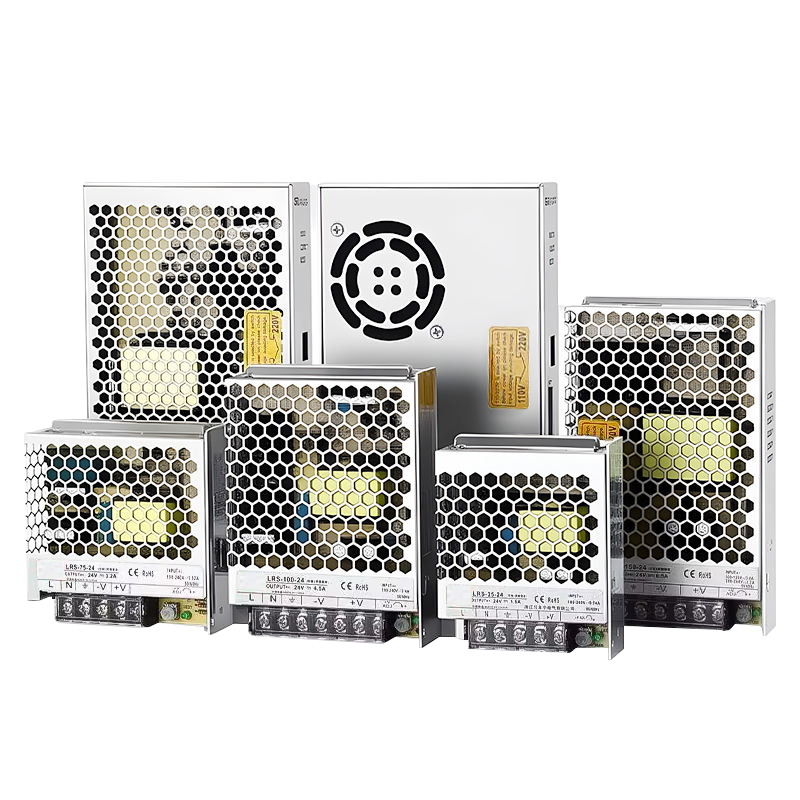
Introduction: Home Lighting Safety Priorities
When selecting an LED power supply home safety becomes the paramount concern for residential applications. Specifically, homeowners and DIY enthusiasts must understand that while both 12V and 24V systems have their place in residential lighting, safety considerations differ significantly between these voltages. Consequently, this comprehensive guide examines the safety aspects of LED power supply home safety for 12V versus 24V systems, providing clear recommendations for different home lighting scenarios.
1. Electrical Safety Fundamentals for Home Lighting
Understanding Voltage Classifications
Safety Extra-Low Voltage (SELV) classifications define the safety parameters for home lighting systems. Although both 12V and 24V LED power supplies fall within SELV categories, their safety margins differ considerably.
Key Safety Standards:
IEC 61140: Protection against electric shock
UL 1310: Class 2 power units safety standard
NEC Class 2: Wiring requirements for low-voltage circuits
Local Building Codes: Regional safety regulations
Voltage Safety Thresholds:
| Voltage Level | Safety Classification | Touch Voltage Limit | Typical Application |
|---|---|---|---|
| 0-12V DC | Extra Safe | <12V | Underwater lighting, children’s rooms |
| 12-24V DC | Very Safe | <24V | General residential lighting |
| 24-48V DC | Safe | <48V | Commercial/residential boundary |
| >48V DC | Requires Protection | >48V | Not recommended for homes |
Shock Hazard Analysis
12V Systems offer superior shock protection because the human body’s typical resistance (1,000-100,000 ohms) means 12V systems generate currents well below dangerous thresholds even during accidental contact.
24V Systems, while still safe, approach the upper limits of SELV protection. Although 24V remains below generally accepted dangerous voltage levels, it requires more careful installation and maintenance practices.
Critical Safety Parameters:
Let-go Current: 6-30mA (12V systems typically <1mA)
Ventricular Fibrillation Threshold: 50-100mA
Safety Margin: 12V provides 4-8× safety margin vs 24V’s 2-4×
Fire Hazard Considerations
Heat Generation varies significantly between voltages. Specifically, lower voltage systems inherently produce more heat in wiring due to higher current requirements, potentially increasing fire risks if improperly installed.
12V Fire Safety Advantages include lower arcing potential during connection/disconnection, reduced spark energy during short circuits, less thermal stress on insulation materials, and slower temperature rise in fault conditions.
Safety Statistics Comparison:
| Risk Factor | 12V Systems | 24V Systems | Safety Advantage |
|---|---|---|---|
| Arc Flash Energy | 1.0x (baseline) | 4.0x higher | 12V safer |
| Short Circuit Current | Lower | Higher | 12V safer |
| Insulation Stress | Less | More | 12V safer |
| Thermal Runaway Risk | Reduced | Increased | 12V safer |
2. Installation Safety: DIY vs Professional
DIY Installation Considerations
12V Advantages for Homeowners encompass forgiving installation where minor errors are less likely to cause serious problems, simpler tools with basic electrical tools being sufficient, lower skill requirements reducing the need for specialized electrical knowledge, and easier troubleshooting with simpler fault finding and correction.
Recommended 12V DIY Projects include under-cabinet kitchen lighting, closet and wardrobe lighting, stair step lighting, display cabinet illumination, and garden path lighting (with proper weatherproofing).
24V Limitations for DIY involve several factors. Firstly, they require better understanding of electrical principles. Secondly, they need proper wire sizing calculations. Thirdly, they demand more careful connection techniques. Finally, they benefit from professional testing equipment.
Professional Installation Requirements
Both Voltage Systems benefit from professional installation, but requirements differ significantly.
12V Professional Standards include basic electrical competency certification, understanding of low-voltage wiring practices, knowledge of residential electrical codes, and proper tool selection and usage.
24V Professional Requirements demand advanced electrical training, voltage drop calculation proficiency, circuit protection design knowledge, and comprehensive testing equipment access.
Certification Recommendations:
| Installation Type | 12V Requirements | 24V Requirements |
|---|---|---|
| DIY Basic | Homeowner electrical safety course | Not recommended |
| DIY Advanced | Low-voltage certification | Professional training recommended |
| Professional | Electrician license preferred | Licensed electrician required |
| Commercial | Certified installer | Certified specialist required |
3. Room-by-Room Safety Recommendations
Bathroom and Wet Areas
Highest Priority: 12V Systems
Critical Safety Factors involve moisture exposure as bathrooms create conductive environments, ground fault risks since water increases electrical hazard potential, user proximity with close contact during normal use, and code requirements with strict regulations for wet location lighting.
Recommended Products feature Siecon Bath-Safe Series 12V IP67 waterproof drivers, Class 2 rated transformers for maximum bathroom safety, GFCI protected circuits for additional protection layers, and double-insulated designs with enhanced safety construction.
Installation Requirements demand minimum 2.4m from water sources for 24V versus 1.5m minimum for 12V installations, IP65 or higher waterproof ratings, and professional installation strongly recommended.
Kitchen Lighting
12V Preferred, 24V Acceptable with Precautions
Safety Considerations include metal surfaces as kitchens contain many conductive materials, water proximity from sinks and appliances creating wet areas, user activity with frequent contact during food preparation, and heat sources with additional thermal considerations.
Best Practices involve under-cabinet 12V strip lighting with proper diffusers, task lighting where 24V is acceptable with professional installation, accent lighting with voltage matched to specific requirements, and all installations requiring proper insulation and protection.
Children’s Rooms and Nurseries
Mandatory: 12V Systems Only
Critical Safety Requirements encompass tamper resistance as children may attempt to touch or modify lighting, fault tolerance where systems must withstand accidental damage, temperature limits requiring surface temperatures to remain safe, and chemical safety mandating non-toxic materials if chewed or damaged.
Product Specifications demand extra-low voltage with maximum 12V DC, touch-safe design with no exposed conductive parts, cool operation with surface temperature <40°C, and robust construction that withstands typical child activity.
Installation Guidelines require all wiring concealed within walls or conduits, no accessible connections or terminals, regular safety inspections recommended, and professional installation required.
Living Areas and General Lighting
Flexible Approach Based on Application
Safety Assessment Factors include accessibility regarding how easily users can contact wiring, usage patterns considering frequency and type of interaction, furniture layout assessing potential for accidental contact, and user demographics accounting for children, elderly, or special needs considerations.
General Recommendations feature ceiling lights where 24V is acceptable with professional installation, floor lamps with 12V preferred for portable units, wall sconces with 12V for lower installations and 24V for higher positions, and accent lighting matching voltage to specific safety requirements.
4. Component Safety Comparison
Power Supply Safety Features
Essential Safety Components for LED power supply home safety include several critical features.
12V Power Supply Requirements encompass overcurrent protection with automatic shutdown at 110-150% rating, short circuit protection providing immediate response to faults, over temperature protection with thermal shutdown capability, and isolation through reinforced or double insulation.
24V Enhanced Requirements include all 12V features plus arc fault detection for advanced fault monitoring, ground fault monitoring for enhanced protection, voltage monitoring with continuous output supervision, and communication safety through isolated control interfaces.
Safety Certification Levels:
| Certification | 12V Requirement | 24V Requirement | Safety Benefit |
|---|---|---|---|
| UL 1310 | Class 2 | Class 2 | Basic safety |
| IEC 62368 | Yes | Yes | Comprehensive protection |
| Double Insulation | Recommended | Required | Enhanced safety |
| Medical Grade | Optional | Recommended | Maximum safety |
Wiring and Connection Safety
Wire Selection Guidelines:
| Current | 12V Wire Gauge | 24V Wire Gauge | Safety Notes |
|---|---|---|---|
| <3A | 18 AWG | 20 AWG | Standard residential |
| 3-6A | 16 AWG | 18 AWG | Increased safety margin |
| 6-10A | 14 AWG | 16 AWG | Professional installation |
| >10A | 12 AWG | 14 AWG | Not recommended for DIY |
Connection Safety Practices vary by voltage system.
12V Connection Methods include screw terminals with strain relief, spring-clamp connectors, soldered joints with proper insulation, and plug-and-play systems with safety covers.
24V Enhanced Requirements involve all 12V methods plus additional insulation sleeves, connection protection boxes, professional crimping tools, and regular connection inspections.
Protection Device Requirements
Circuit Protection Comparison:
| Protection Type | 12V Systems | 24V Systems | Safety Importance |
|---|---|---|---|
| Fusing | Recommended | Required | Prevents fire from overload |
| Circuit Breakers | Optional | Recommended | Resettable protection |
| GFCI Protection | For wet locations | All installations | Shock prevention |
| Surge Protection | Recommended | Required | Equipment protection |
| Isolation | Basic | Enhanced | User protection |
5. Real-World Safety Incidents and Prevention
Common Safety Issues
Documented Safety Incidents reveal important patterns regarding system vulnerabilities.
12V System Issues include overheating from undersized wiring, connection failures causing intermittent operation, water intrusion in improperly sealed installations, and DIY installation errors due to lack of knowledge.
24V System Incidents involve more severe arc flash incidents, higher energy faults causing component damage, increased fire risk from wiring faults, and greater shock hazard during maintenance.
Prevention Strategies require several approaches. Firstly, proper sizing through calculation of wire and component requirements is essential. Secondly, using certified, tested products ensures quality. Thirdly, engaging qualified installers provides professional expertise. Additionally, scheduling regular safety checks maintains system integrity. Finally, providing clear safety information educates users effectively.
Case Studies
Case 1: Bathroom Lighting Incident involved a 24V LED strip in a shower area with moisture penetration causing intermittent shorting. The result was a minor shock incident and system failure. The solution involved replacement with a 12V IP68 system and professional installation, demonstrating that 12V provides additional safety margin in wet locations.
Case 2: Kitchen Undercabinet Fire concerned a 12V DIY installation with undersized wiring causing overheating due to voltage drop and high current. Consequently, a minor fire occurred with contained damage. The solution required proper wire sizing and professional inspection, illustrating that even 12V systems require proper installation.
Case 3: Children’s Room Tampering featured a 24V accessible LED installation where a child inserted a metal object into a connector. This resulted in a minor burn and system damage. The solution involved replacement with a 12V fully enclosed system, showing that 12V reduces risk in accessible locations.
6. Safety Testing and Certification
Required Safety Tests
Basic Safety Testing for all LED power supply home safety installations includes several essential procedures.
Electrical Safety Tests require dielectric strength testing at 1500V AC for 1 minute, insulation resistance exceeding 10MΩ at 500V DC, leakage current below 0.25mA for 12V and 0.5mA for 24V, and ground continuity under 0.1Ω for grounded systems.
Performance Safety Tests involve overload testing at 150% load for 1 hour, short circuit testing to verify protection response, temperature monitoring during extended operation, and humidity testing at 93% RH for 48 hours.
Certification Requirements:
| Region | 12V Certification | 24V Certification | Notes |
|---|---|---|---|
| North America | UL 1310 Class 2 | UL 1310 Class 2 | Mandatory for sale |
| Europe | CE, Low Voltage Directive | CE, stricter testing | Required for market |
| UK | UKCA, BS standards | UKCA, enhanced requirements | Post-Brexit standard |
| Australia | RCM, AS/NZS standards | RCM, additional testing | Mandatory compliance |
DIY Safety Testing Protocol
Basic Home Testing (Professional recommended) involves several verification steps.
Visual Inspection includes checking for physical damage to components, verifying proper wire gauge and insulation, ensuring secure connections, and confirming adequate ventilation.
Functional Testing requires measuring output voltage under load, checking for abnormal heating, verifying protection features work, and testing with intended load types.
Safety Verification demands no accessible live parts, proper grounding if required, adequate clearance from combustibles, and correct installation for the specific environment.
7. Cost vs Safety Analysis
Initial Investment Comparison
Component Cost Analysis:
| Component | 12V System Cost | 24V System Cost | Safety Impact |
|---|---|---|---|
| Power Supply | $ | $$ | 12V often more basic |
| Wiring | $$ | $ | 12V requires thicker wire |
| Connectors | $ | $ | Similar cost |
| Protection Devices | $ | $$ | 24V needs more protection |
| Installation | $$ | $$$ | 24V requires more expertise |
| Total | $$$$ | $$$$$ | 12V generally lower cost |
Hidden Safety Costs may involve insurance premiums that differ based on system safety, maintenance costs where 24V systems may need more frequent checks, compliance costs for meeting stricter standards for 24V, and liability considerations with different risk profiles.
Long-Term Safety Investment
Safety Return on Investment:
| Factor | 12V Safety ROI | 24V Safety ROI | Considerations |
|---|---|---|---|
| Reduced Risk | High | Medium | Lower voltage = lower risk |
| Maintenance Safety | High | Medium | Safer to work on |
| Upgrade Safety | High | Medium | Easier to modify safely |
| Resale Value | Positive | Neutral | Safety adds value |
| Insurance Benefits | Possible | Less likely | Safety discounts possible |
Budgeting for Safety
Minimum Safety Budget Guidelines:
| Project Scale | 12V Safety Budget | 24V Safety Budget | Recommended Allocation |
|---|---|---|---|
| Small DIY | 10-15% of total | 15-20% of total | Protection devices, testing |
| Medium DIY | 15-20% of total | 20-25% of total | Professional consultation |
| Professional | 20-25% of total | 25-30% of total | Certified components, testing |
| Premium | 25-30% of total | 30-35% of total | Maximum safety features |
8. Emergency Scenarios and Response
Electrical Fault Response
12V Fault Response Advantages include lower energy faults that reduce damage potential, slower fault development allowing more response time, reduced arc flash hazard protecting responders, and simpler isolation and repair procedures.
Emergency Procedures Comparison:
| Scenario | 12V Response | 24V Response | Safety Difference |
|---|---|---|---|
| Short Circuit | Isolate, check wiring | Isolate, professional assessment | 12V lower risk |
| Overheating | Disconnect, cool, inspect | Emergency disconnect required | 12V slower heating |
| Water Exposure | Disconnect, dry, test | Emergency power off, professional check | 12V safer in wet |
| Physical Damage | Disconnect, repair | Emergency isolation, professional repair | 12V less hazardous |
Fire Safety Considerations
Fire Prevention Measures differ between systems. For instance, 12V systems require basic overcurrent protection usually sufficient, while 24V systems need enhanced protection including arc fault detection. However, both systems benefit from proper installation that prevents most fire risks.
Fire Response Differences show that 12V fires typically develop slower and are easier to contain, whereas 24V fires may develop more rapidly and require faster response. Nevertheless, both use standard electrical fire procedures for extinguishing.
First Aid Considerations
Electrical Injury Response:
| Injury Type | 12V Likelihood | 24V Likelihood | First Aid Priority |
|---|---|---|---|
| Minor Shock | Very low | Low | Basic first aid |
| Burn Injuries | Rare | Possible | Burn treatment |
| Cardiac Issues | Extremely rare | Rare | Emergency response |
| Fall Injuries | Possible | Possible | Trauma care |
Recommended First Aid Training varies by user involvement. All homeowners need basic electrical safety awareness, DIY enthusiasts require CPR and basic life support, while professional installers should have advanced first aid certification.
9. Regulatory Compliance and Building Codes
National Electrical Code (NEC) Requirements
NEC Class 2 Circuit Requirements:
| Requirement | 12V Compliance | 24V Compliance | Safety Standard |
|---|---|---|---|
| Voltage Limit | <30V | <30V | Both compliant |
| Power Limit | <100VA | <100VA | Both compliant |
| Wiring Methods | Less restrictive | More restrictive | 12V advantage |
| Protection | Basic | Enhanced | 24V requires more |
Residential Code Specifics vary by room type. Bathrooms have strict requirements for both voltages, kitchens require specific clearance and protection rules, bedrooms demand tamper resistance requirements, and living areas follow general safety standards.
International Standards Comparison
Global Safety Standards:
| Standard | 12V Requirements | 24V Requirements | Region |
|---|---|---|---|
| IEC 60598 | Luminaire safety | Enhanced testing | International |
| UL 1598 | Basic safety | Additional tests | North America |
| EN 60598 | CE marking | Stricter CE requirements | Europe |
| AS/NZS 60598 | Standard compliance | Enhanced compliance | Australia/NZ |
Local Code Variations may include municipal codes with specific voltage restrictions, insurance requirements that dictate voltage choices, historical buildings with special requirements, and rental properties with landlord-specific rules.
Compliance Documentation
Required Documentation includes product certifications with UL, CE, or equivalent marks, installation records showing who installed, when, and how, inspection reports from professional inspections, and maintenance records from regular safety checks.
DIY Project Documentation should contain product specifications with certified product details, installation photos from before, during, and after installation, test results from basic safety test documentation, and manual copies of installation and operation manuals.
10. Future Safety Trends and Smart Home Integration
Smart Home Safety Features
Emerging Safety Technologies involve voltage monitoring for continuous safety monitoring, fault prediction using AI-based failure prediction, remote shutdown for emergency remote power cut-off, and safety analytics through pattern recognition for risk identification.
Smart 12V Systems typically feature basic monitoring for voltage and current, simple alerts for basic fault notifications, manual control for remote on/off capability, and energy monitoring for basic consumption tracking.
Smart 24V Systems generally include advanced monitoring for comprehensive system monitoring, predictive analytics with failure prediction algorithms, automated response for automatic fault response, and integration with full smart home systems.
Wireless Safety Systems
Future Safety Innovations may include wireless fault detection through non-contact safety monitoring, smart protection via adaptive circuit protection, cloud safety monitoring with remote professional monitoring, and mobile safety apps providing real-time safety information.
Safety Benefits from these innovations encompass early warning through earlier fault detection, professional monitoring with 24/7 safety supervision, data analysis using historical safety pattern analysis, and automated response enabling faster emergency response.
Sustainability and Safety
Energy Efficiency Safety benefits from several factors. Lower voltage benefits often provide more efficient operation, heat reduction creates less waste heat which improves safety, material efficiency reduces material use, and longevity with longer life reduces replacement risks.
Environmental Safety considerations include reduced hazardous materials with better environmental profiles, recyclability through easier end-of-life processing, manufacturing safety with safer production processes, and transport safety during shipping and handling.
Conclusion: Making the Safest Choice for Your Home
LED power supply home safety decisions require careful consideration of multiple factors. While both 12V and 24V systems can be installed safely in residential settings, 12V systems generally offer superior safety margins for typical home applications.
Final Safety Recommendations:
Choose 12V LED Power Supplies When DIY installation is planned, children or vulnerable individuals are present, wet or high-moisture areas are involved, maximum safety margin is desired, or budget constraints exist for professional installation.
Consider 24V LED Power Supplies When professional installation is guaranteed, longer cable runs are necessary, higher power requirements exist, advanced features are needed, or commercial-grade performance is required.
Safety Priority Checklist:
Assessment First: Evaluate specific room requirements and risks
Professional Consultation: Seek expert advice for unsure situations
Quality Components: Use certified, tested products only
Proper Installation: Follow manufacturer guidelines exactly
Regular Inspection: Schedule periodic safety checks
User Education: Ensure all users understand basic safety
Emergency Planning: Have response plans for potential issues
Implementation Strategy:
For Maximum Safety, consult professionals before making decisions, use certified products from reputable manufacturers, follow all codes and regulations strictly, test thoroughly before regular use, and monitor regularly for any changes or issues.
Remember that no lighting system is completely risk-free, but careful planning, quality components, proper installation, and regular maintenance significantly reduce risks for both 12V and 24V systems.
Safety First Resources: For personalized LED power supply home safety recommendations, consult with qualified electrical professionals or contact our safety engineering team. We provide safety assessments, product recommendations, and installation guidelines tailored to your specific home lighting requirements and safety concerns.