
Product Description
Introducing the LC1D Series: Your Direct Replacement Solution
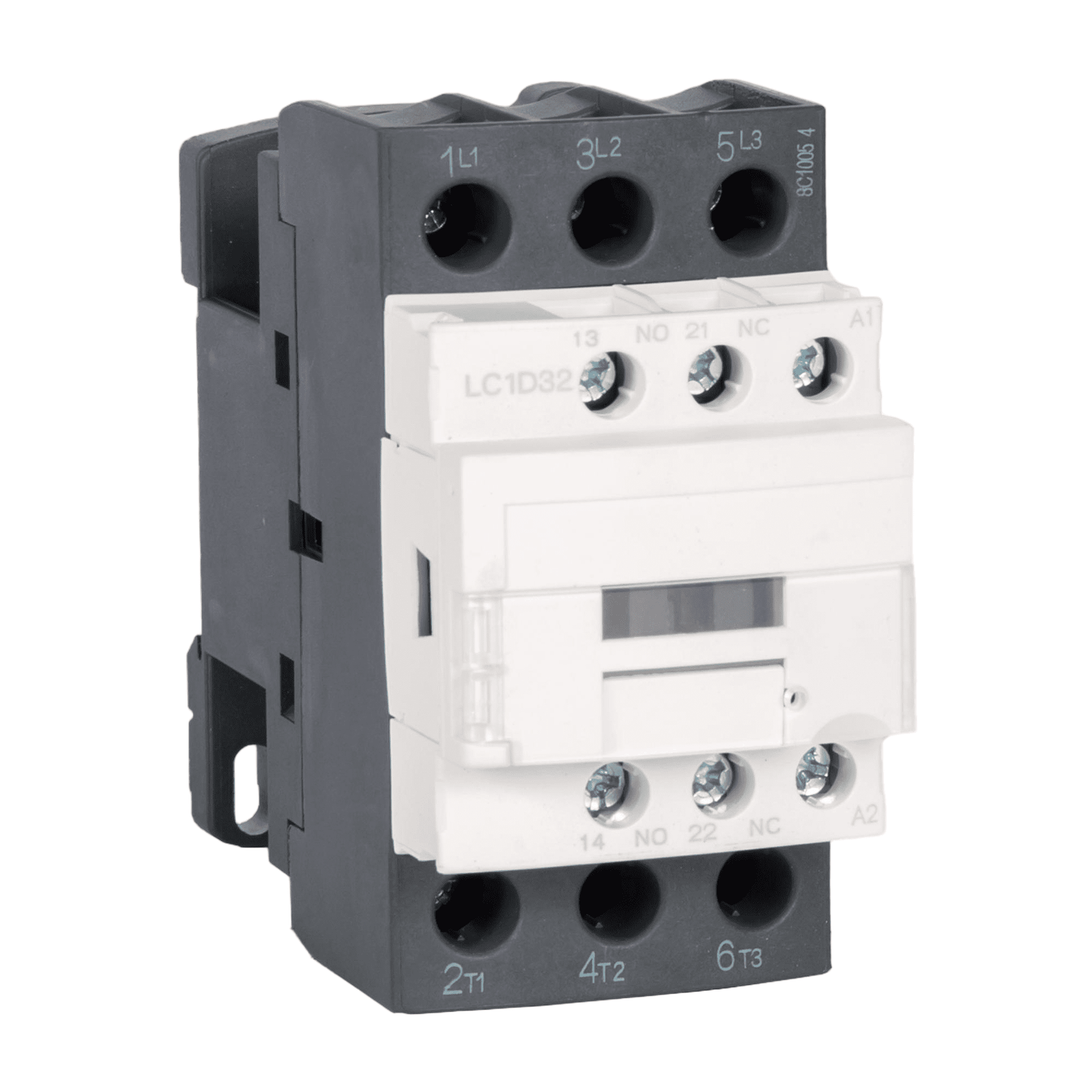
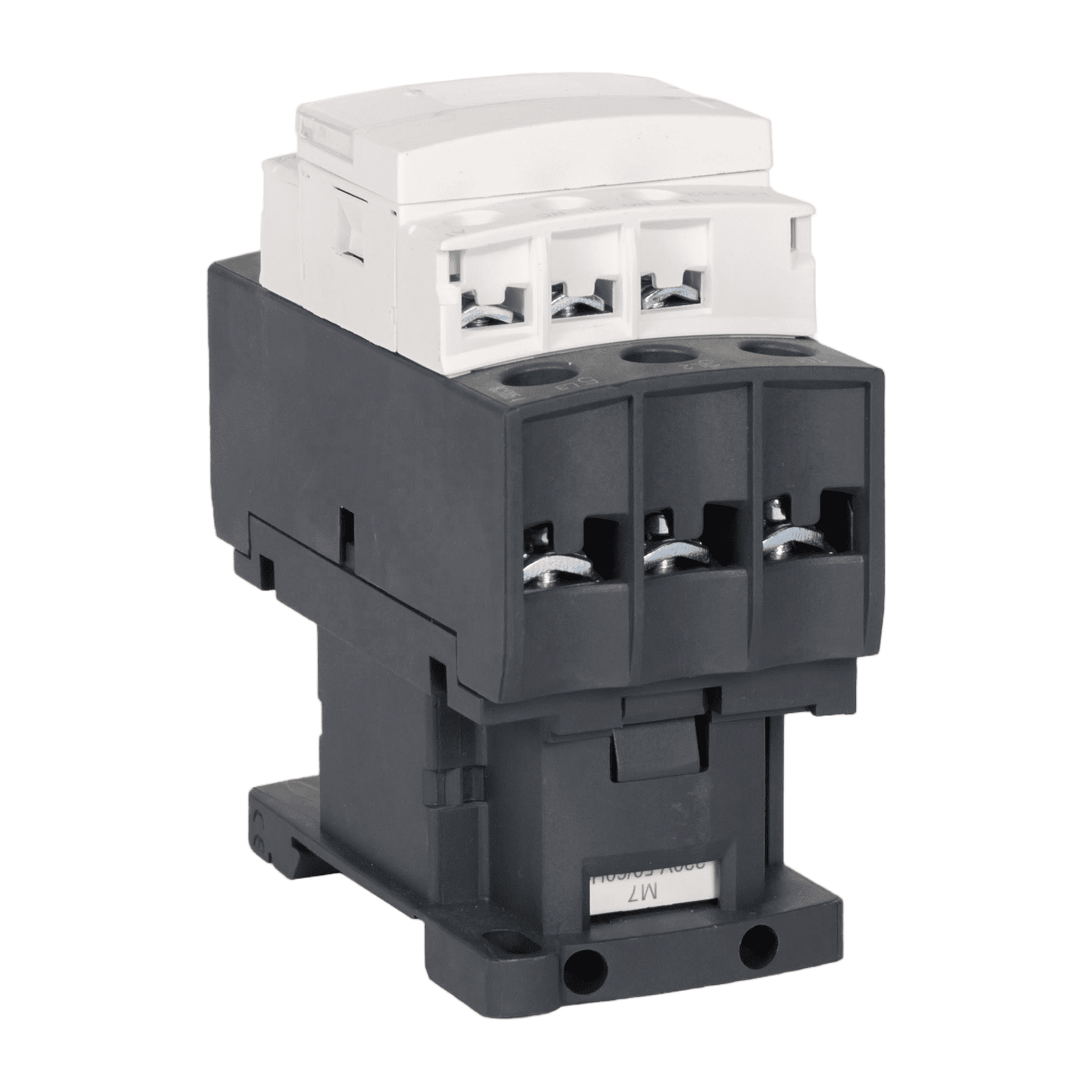
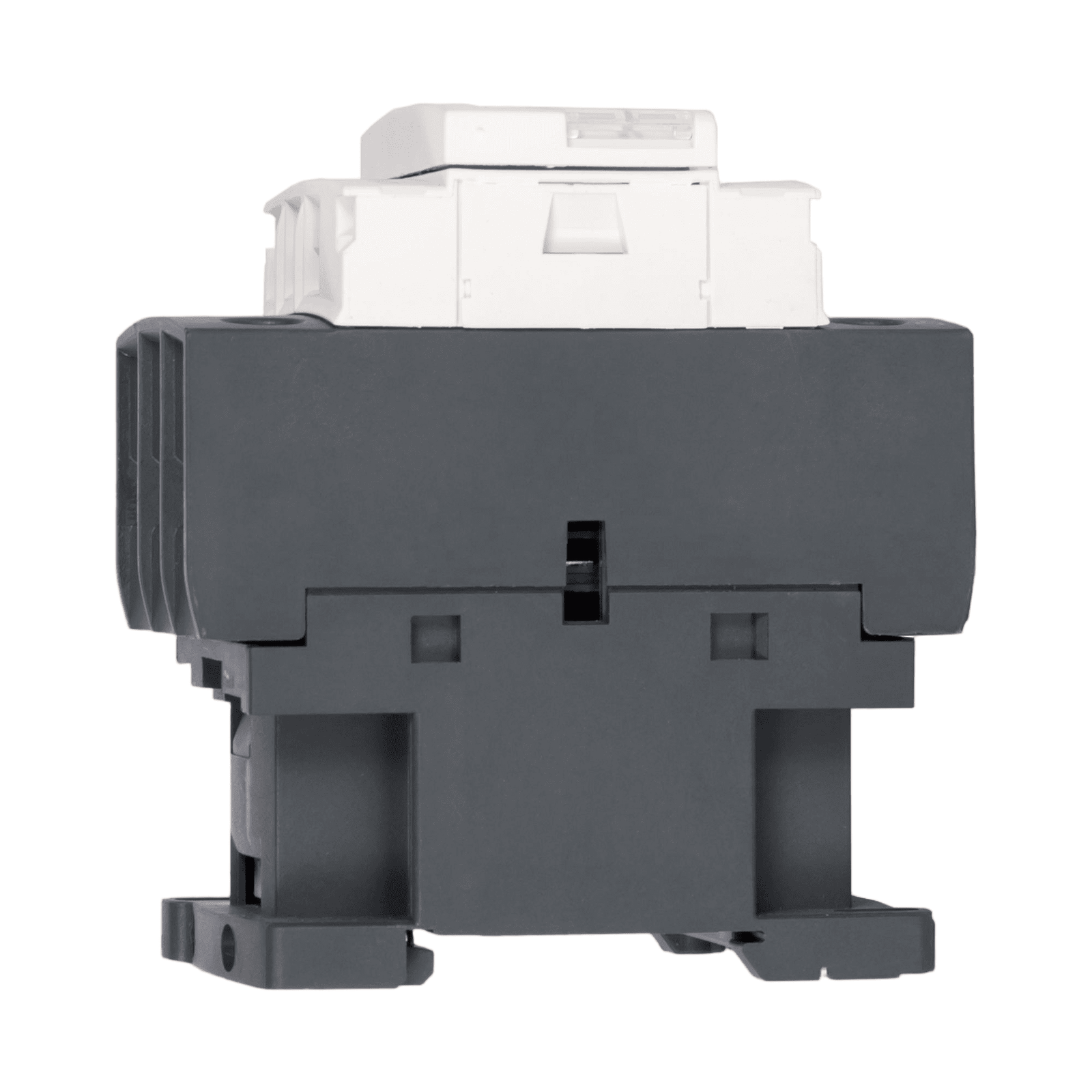
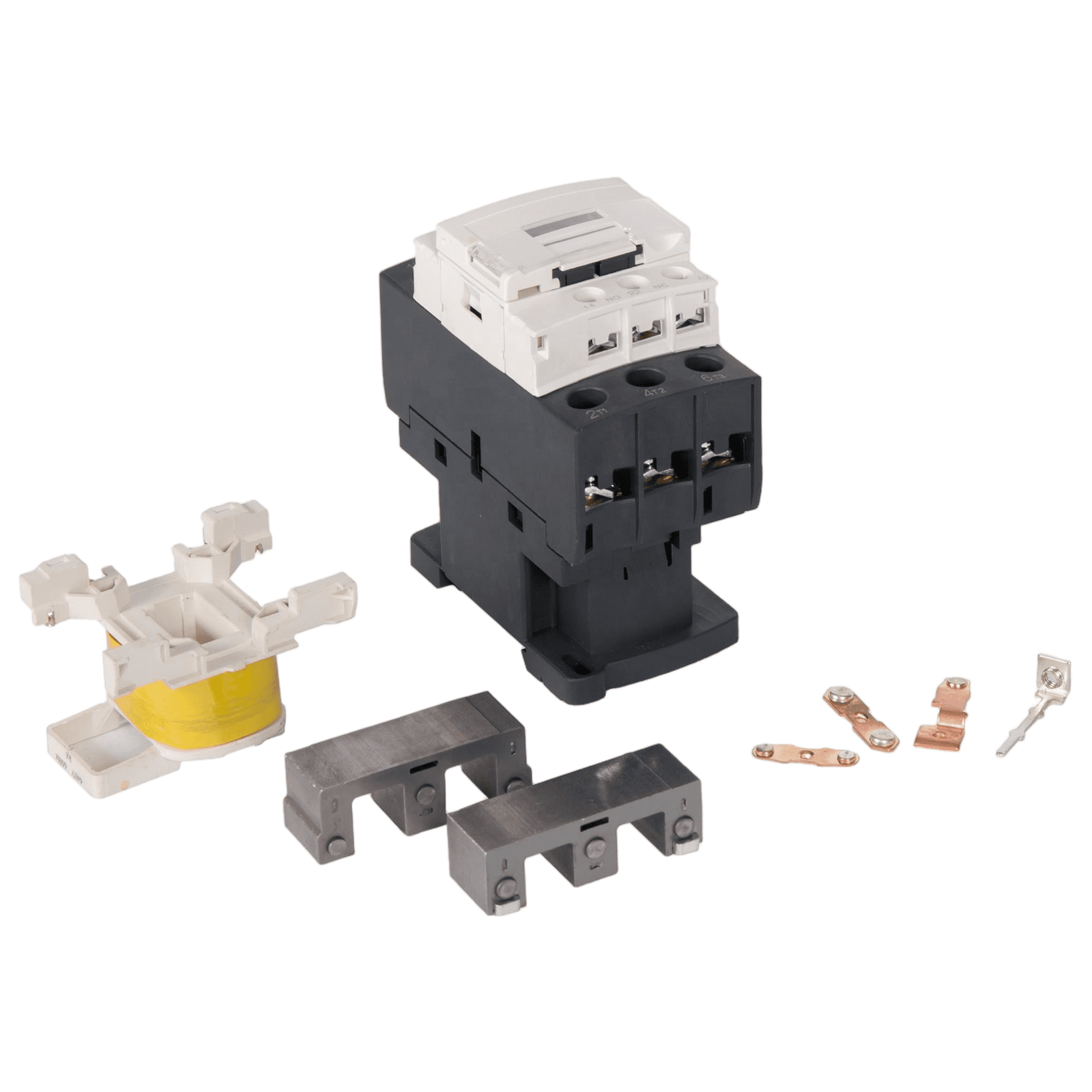
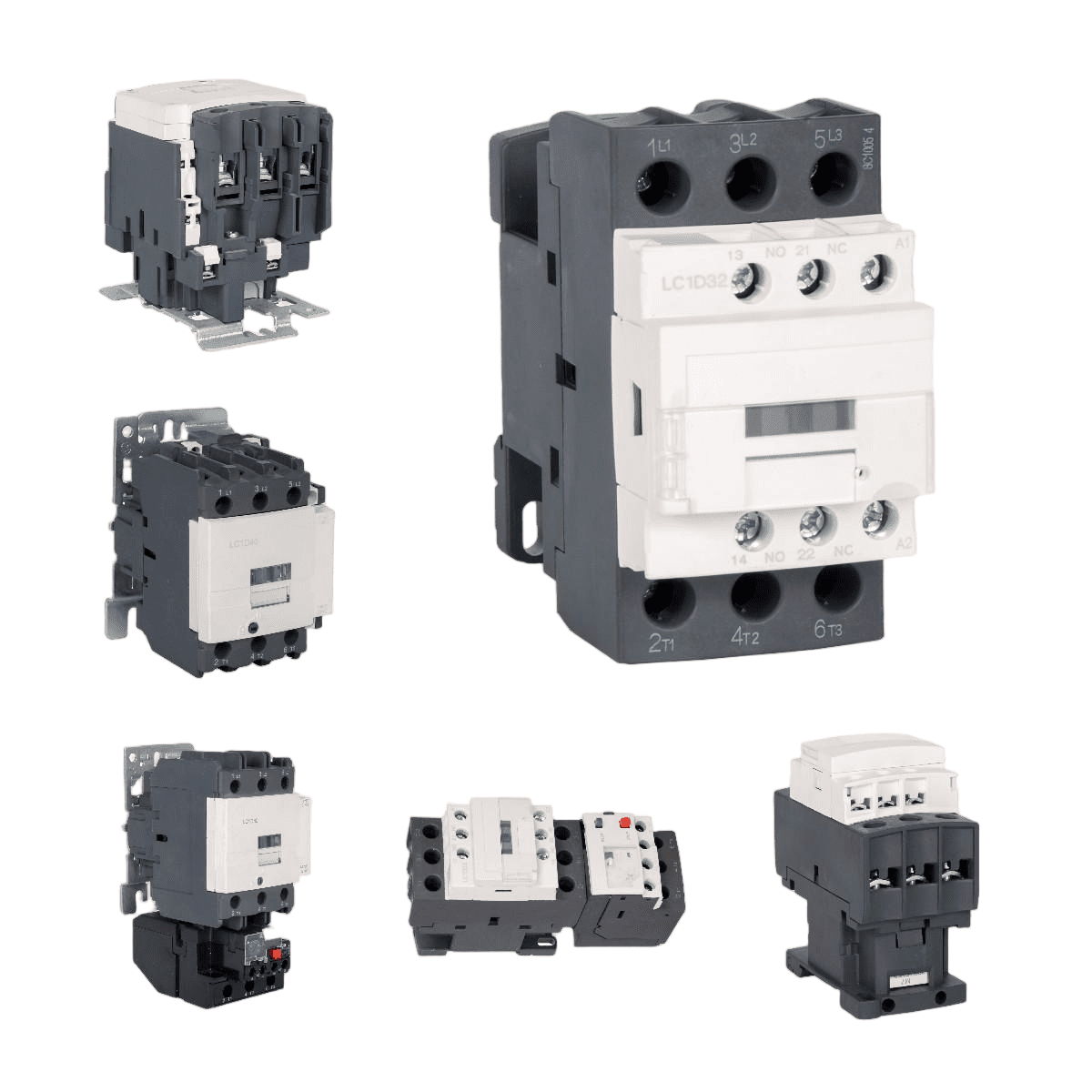
Discover our complete range of LC1D Series AC Contactors, engineered as fully compatible replacements for the Schneider Electric TeSys D line. This series delivers identical form, fit, and function, ensuring seamless integration into your existing panels. Moreover, it covers every need from 9A to 620A, making it a versatile solution for diverse applications.
Complete Product Range & Specifications at a Glance
Our inventory covers the entire LC1D spectrum. Therefore, you can find the perfect match for your motor control or power switching application in the table below.
Full LC1D Series Technical Data Table
| Model | Rated Current (AC-3) | Aux. Contact | Motor Power @ 400V | Motor Power @ 440V | Dimensions (LxWxH mm) | Weight (kg) |
|---|---|---|---|---|---|---|
| LC1D09 | 9 A | 1NO+1NC | 4.0 kW | 5.5 kW | 77x45x86 | 0.32 |
| LC1D12 | 12 A | 1NO+1NC | 5.5 kW | 7.5 kW | 77x45x86 | 0.32 |
| LC1D18 | 18 A | 1NO+1NC | 9.0 kW | 10 kW | 77x45x86 | 0.33 |
| LC1D25 | 25 A | 1NO+1NC | 11 kW | 15 kW | 85x45x92 | 0.37 |
| LC1D32 | 32 A | 1NO+1NC | 15 kW | 18.5 kW | 85x45x92 | 0.37 |
| … (Additional Rows) | ||||||
| LC1D620 | 620 A | – | 400 kW | 450 kW | 304x309x255 | 20.1 |
*All contactors feature a wide AC coil voltage range (24-660V, 50/60Hz) and use DIN rail mounting.*
Key Benefits of Choosing Our Compatible Contactors
Perfect Compatibility: These units match the exact mechanical and electrical specifications of the original TeSys D series for a trouble-free swap.
Proven Durability: We construct our contactors with high-grade materials like PA66 housing to ensure long mechanical and electrical life.
Simplified Sourcing: This complete series offers a one-stop solution, saving you time from searching multiple suppliers.
How to Select the Right LC1D Contactor: A Step-by-Step Guide
Selecting the correct contactor ensures safety and performance. Follow these key steps:
Determine the Load Current: First, check the full-load current (FLC) on your motor or equipment nameplate.
Match the Contactor Rating: Then, select a model with a rated current (Ie at AC-3) that meets or exceeds the FLC. For example, a 29A motor needs an LC1D32 (32A).
Verify the Coil Voltage: Next, confirm that your control circuit voltage (e.g., 24V, 230V AC) matches the contactor’s coil requirement.
Plan for Accessories: Finally, consider if you need extra auxiliary contacts or a mechanical interlock for your application.
Understanding Wiring and Connection
Standard Direct-On-Line (DOL) Starter Setup:
A typical DOL starter circuit serves two main functions: power switching and control logic.
Main Power Path: The three-phase supply connects to L1, L2, L3, and the output to the motor comes from T1, T2, T3.
Control Circuit: Here, the contactor coil (terminals A1/A2) connects in series with control devices like push buttons and an overload relay.
Auxiliary Contact Function: The built-in NO contact (13-14) latches the circuit, keeping the coil energized after you press the start button.
(For specific installations, always consult a qualified electrician and adhere to local codes.)
Common Applications Across Industries
These versatile contactors suit numerous applications. Consequently, they are ideal for:
Starting motors for pumps, fans, and compressors.
Switching power to industrial heaters or lighting systems.
Automating control sequences in HVAC and conveyor systems.
Compatibility & Legal Disclaimer
We manufacture these products as high-quality replacement parts. They are not original Schneider Electric products. “Schneider”, “TeSys”, and “LC1D” are trademarks of Schneider Electric.
LC1D Series Contactor Quick Selection Guide
Use this guide to quickly identify the correct LC1D-compatible contactor for your application. Simply match your motor’s specifications to the recommendations in the table below. Furthermore, ensure you review the important notes for a complete and safe selection.
Quick Selection & Reference Table
| Motor Power (kW) | Supply Voltage | Recommended LC1D Model | Rated Current (AC-3) | Standard Aux. Contact | Key Application Examples |
|---|---|---|---|---|---|
| Up to 4.0 kW | 380V / 400V / 415V | LC1D09 | 9 A | 1NO+1NC | Small pumps, fans, compactors |
| Up to 5.5 kW | 440V / 480V | LC1D09 | 9 A | 1NO+1NC | |
| 5.5 – 7.5 kW | 380V / 400V / 415V | LC1D12 | 12 A | 1NO+1NC | Conveyors, machine tools, HVAC units |
| 7.5 – 9.0 kW | 440V / 480V | LC1D18 | 18 A | 1NO+1NC | |
| 11 – 15 kW | 380V / 400V / 415V | LC1D25 / LC1D32 | 25 A / 32 A | 1NO+1NC | Large fans, water pumps, industrial machinery |
| 15 – 18.5 kW | 440V / 480V | LC1D32 / LC1D38 | 32 A / 38 A | 1NO+1NC | |
| 18.5 – 22 kW | 380V / 400V / 415V | LC1D38 / LC1D40 | 38 A / 40 A | 1NO+1NC | Compressors, hoists, crushers |
| 22 – 30 kW | 440V / 480V | LC1D40 / LC1D50 | 40 A / 50 A | 1NO+1NC | |
| 30 – 37 kW | 380V / 400V / 415V | LC1D50 / LC1D65 | 50 A / 65 A | 1NO+1NC | Medium production lines, injection molding |
| 30 – 37 kW | 440V / 480V | LC1D65 | 65 A | 1NO+1NC | |
| 45 – 55 kW | 380V / 400V / 415V | LC1D80 / LC1D95 | 80 A / 95 A | 1NO+1NC | Large pumping stations, chillers |
| 55 – 75 kW | 440V / 480V | LC1D95 | 95 A | 1NO+1NC | |
| 75 – 110 kW | 380V / 400V / 415V | LC1D115 / LC1D150 | 115 A / 150 A | Configurable Separately | Heavy industrial drives, large mills |
| 80 – 129 kW | 440V / 480V | LC1D150 / LC1D205 | 150 A / 205 A | Configurable Separately | |
| 132 – 220 kW | 380V / 400V / 415V | LC1D205 / LC1D300 | 205 A / 300 A | Configurable Separately | Main motor feeders, heavy compressors |
| 160 – 280 kW | 440V / 480V | LC1D245 / LC1D410 | 245 A / 410 A | Configurable Separately | |
| 250 – 450 kW | 380V / 400V / 415V | LC1D410 / LC1D620 | 410 A / 620 A | Configurable Separately | High-power centrifugal pumps, large fans |
| 335 – 450 kW | 440V / 480V | LC1D475 / LC1D620 | 475 A / 620 A | Configurable Separately |
Essential Steps for Final Verification
🔍 Step 1: Confirm the Current Rating
First, always check the Full Load Current (FLC) on your motor’s nameplate. Then, make sure this FLC value is less than or equal to the contactor’s Rated Current (AC-3) listed in the table. We recommend allowing a small safety margin for optimal reliability.
🔌 Step 2: Specify Your Control Voltage
Next, you must specify the correct coil voltage when ordering. All models support a wide AC control voltage range (e.g., 24V, 110V, 230V). Therefore, confirm that your chosen voltage matches your control circuit’s supply exactly.
⚙️ Step 3: Consider Additional Accessories
For instance, if you need to build a motor reversing circuit, you must add a compatible mechanical interlock kit. Similarly, you can expand the control logic by adding extra auxiliary contact blocks (NO or NC) to most models.
🛡️ Step 4: Ensure Complete Motor Protection
Remember, a contactor only handles switching. Consequently, to protect your motor from harmful overloads, you must integrate a compatible thermal overload relay (e.g., LR9, LRD style) in series with the contactor.
Practical Example: How to Apply This Guide
Let’s walk through a common scenario to clarify the process.
Scenario: You need to control a 22 kW, 400V, 3-phase motor.
Step 1: Locate the power range “18.5 – 22 kW” in the Motor Power column for 400V.
Step 2: Follow the row to find the Recommended Model: LC1D40.
Step 3: Verify the motor’s FLC (approximately 40A) against the Rated Current: 40A. The values match correctly.
Result: Therefore, the LC1D40 is your suitable choice. Finally, proceed to select your required coil voltage.
Disclaimer: This guide serves as a reference tool. For critical applications, however, we strongly advise you to consult with a qualified electrical engineer. Please note that these products are high-quality compatible replacements and are not original Schneider Electric manufactured items.

Reviews
There are no reviews yet.