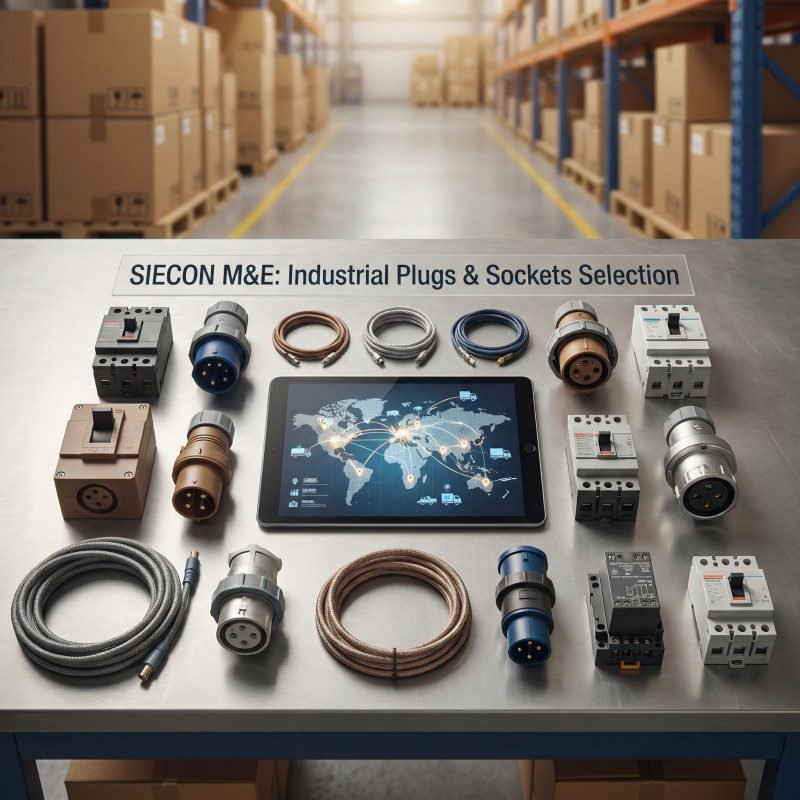
Optimizing Efficiency, Reducing Costs, and Mitigating Risks in Global Procurement
The Evolution of Global Industrial Electrical Sourcing
Global industrial electrical sourcing has evolved drastically in 30 years. It began as a cost-cutting tactic for large manufacturers. Today, it’s a strategic approach to drive long-term value. Advances in technology have simplified cross-border procurement. Globalization opened doors to diverse supplier networks worldwide. Industrial firms now balance cost, quality, and reliability in sourcing. Electrical components are critical to every industrial operation’s success. Sourcing these parts globally requires careful planning and expertise. Poor sourcing strategies lead to delays, cost overruns, and downtime. Modern sourcing prioritizes resilience alongside cost-effectiveness.
Key Benefits of Global Sourcing for Electrical Components
First, global sourcing unlocks significant cost savings for firms. It allows access to low-cost manufacturing regions strategically. Suppliers in Asia, Europe, and Latin America offer competitive pricing. Firms can source specialized components not available locally. Global networks provide access to cutting-edge electrical technology. Diversifying suppliers reduces reliance on a single region or vendor. This diversification enhances supply chain resilience during disruptions. Global sourcing supports scalability for growing industrial operations. It enables firms to adapt to changing market demands quickly. These benefits make global sourcing a smart investment for many.
Core Challenges in Global Electrical Supply Chain Sourcing
However, global sourcing comes with unique complex challenges. Language and cultural barriers can hinder communication with suppliers. Differences in regulatory standards create compliance hurdles. Shipping delays and logistics issues impact delivery timelines. Quality control is harder to maintain across international borders. Currency fluctuations add financial uncertainty to procurement. Political instability in some regions disrupts supply continuity. Intellectual property risks increase with global supplier networks. Managing long lead times requires careful inventory planning. Overcoming these challenges demands specialized sourcing expertise.
Strategic Supplier Selection: The Foundation of Success
Moreover, strategic supplier selection is critical to sourcing success. Firms must evaluate suppliers based on multiple key criteria. Quality certifications (ISO, IEC) ensure component reliability. Supplier experience in industrial electrical components matters greatly. Production capacity must align with a firm’s current and future needs. Financial stability of suppliers prevents sudden disruptions. Communication responsiveness ensures timely issue resolution. Proximity to shipping hubs reduces logistics costs and delays. Ethical manufacturing practices protect a firm’s brand reputation. Thorough supplier vetting minimizes risks and maximizes value.
Compliance and Regulatory Considerations Globally
Compliance with global regulations is non-negotiable in sourcing. Electrical components must meet regional safety and quality standards. The EU’s RoHS and REACH directives restrict hazardous substances. North American standards include UL, CSA, and NEC certifications. Asian markets follow standards like GB (China) and JIS (Japan). Non-compliant components lead to fines, recalls, and legal issues. Firms must verify supplier compliance before finalizing partnerships. Regular audits ensure ongoing adherence to regulations. Working with local experts simplifies compliance navigation. Compliance protects both firms and end-users of electrical parts.
Logistics and Supply Chain Optimization Techniques
Additionally, optimizing logistics streamlines global sourcing operations. Choosing the right shipping method balances cost and speed. Sea freight is cost-effective for large bulk shipments. Air freight is ideal for urgent or small component orders. Intermodal shipping combines multiple methods for efficiency. Warehousing strategies (local, regional, global) reduce lead times. Just-in-time (JIT) inventory minimizes holding costs for some firms. Safety stock prevents stockouts during unexpected delays. Advanced logistics software tracks shipments in real time globally. These techniques reduce costs and improve delivery reliability.
Case Study 1: Automotive Manufacturer’s Sourcing Success
Real-world case studies highlight effective global sourcing strategies. A U.S.-based automotive manufacturer faced high local sourcing costs. It spent $1.2M annually on electrical control modules locally. The firm implemented a global sourcing strategy targeting Asia. It vetted 12 suppliers and selected 3 ISO-certified partners. Sourcing globally reduced component costs by 22% annually. The manufacturer saved over $264,000 in the first year alone. It established a regional warehouse in Singapore for quick delivery. This cut lead times from 8 weeks to 2 weeks on average. Quality remained consistent, with defect rates dropping 35%. The firm now allocates 60% of electrical sourcing to global suppliers.
Case Study 2: Renewable Energy Firm Mitigates Supply Risks
Another case involves a European renewable energy firm. It relied solely on a German supplier for solar inverter components. A factory fire at the supplier caused a 3-month production halt. The firm lost $800,000 in delayed project revenue. It quickly implemented a diversified global sourcing strategy. It added suppliers in China and the U.S. to its network. The new strategy reduced reliance on any single supplier to 30%. Lead times stabilized, and supply continuity improved drastically. The firm also negotiated bulk pricing, cutting costs by 15%. Within a year, it recovered all lost revenue and improved margins. This case proves diversification’s value in risk mitigation.
Technology’s Role in Modern Global Sourcing
Furthermore, technology transforms how firms manage global sourcing. AI-powered tools analyze supplier data to identify best fits. Machine learning predicts supply chain disruptions before they occur. Cloud-based platforms enable real-time collaboration with suppliers. Blockchain technology enhances transparency in procurement processes. IoT devices track component shipments and inventory levels remotely. Data analytics optimize pricing, lead times, and inventory levels. Digital twins simulate supply chain scenarios for better planning. Automation streamlines paperwork and reduces human error in sourcing. These technologies make global sourcing more efficient and reliable. Firms that adopt them gain a competitive edge in the market.
Risk Mitigation Strategies for Global Supply Chains
Risk mitigation is essential for resilient global sourcing. Diversifying suppliers across regions reduces geographic risk. Maintaining safety stock for critical electrical components is wise. Signing long-term contracts with key suppliers ensures priority access. Monitoring geopolitical events helps anticipate potential disruptions. Currency hedging protects against financial fluctuations. Developing contingency plans for supplier failures is proactive. Regular supplier audits maintain quality and compliance standards. Collaborating with local partners mitigates regulatory and cultural risks. These strategies minimize downtime and financial losses for firms.
Sustainability in Global Electrical Sourcing
In recent years, sustainability has become a sourcing priority. Industrial firms seek eco-friendly electrical components and suppliers. Sustainable sourcing reduces carbon footprints of supply chains. Suppliers with green manufacturing practices are preferred partners. Recyclable materials and energy-efficient production are key criteria. Sustainable sourcing aligns with global environmental goals (ESG). It also enhances a firm’s brand reputation among stakeholders. Certifications like ISO 14001 signal a supplier’s sustainability commitment. Firms are willing to pay a small premium for sustainable options. Sustainability and profitability can coexist in global sourcing.
Future Trends Shaping Global Electrical Sourcing
Looking ahead, several trends will shape global sourcing’s future. Nearshoring and friendshoring will gain traction to reduce risks. Advances in AI will make supplier selection and risk prediction smarter. Digitalization will create fully transparent end-to-end supply chains. Sustainability will become a non-negotiable criterion for all suppliers. The rise of EVs and renewable energy will drive new sourcing needs. Collaboration between firms and suppliers will become more integrated. 3D printing may reduce reliance on traditional component sourcing. Regulatory standards will become more unified across global markets. These trends will require firms to adapt their sourcing strategies.
Best Practices for Implementing Global Sourcing Strategies
Additionally, following best practices ensures sourcing success. Conduct a thorough assessment of current sourcing processes first. Define clear goals (cost savings, resilience, quality) for sourcing. Build a cross-functional sourcing team with diverse expertise. Invest in supplier relationship management to foster trust. Regularly review and optimize sourcing strategies for improvement. Leverage data analytics to make data-driven sourcing decisions. Train team members on global sourcing best practices and compliance. Partner with experienced sourcing consultants for complex projects. Document all processes and supplier agreements for clarity. These practices help firms maximize the value of global sourcing.
Common Mistakes to Avoid in Global Sourcing
Equally important is avoiding common sourcing mistakes. Focusing solely on cost ignores quality and reliability risks. Neglecting supplier vetting leads to poor performance and delays. Underestimating logistics costs erodes expected savings. Failing to plan for lead times causes production downtime. Overlooking compliance requirements results in costly fines. Poor communication with suppliers leads to misunderstandings and errors. Not diversifying suppliers increases vulnerability to disruptions. Ignoring cultural differences hinders effective supplier relationships. Failing to adapt strategies to market changes reduces competitiveness. Avoiding these mistakes saves time, money, and frustration.
Conclusion: Building a Resilient Global Sourcing Strategy
In conclusion, global sourcing for industrial electrical components is complex. It offers significant benefits but requires strategic planning and expertise. Success depends on supplier selection, compliance, and risk mitigation. Technology and sustainability will shape the future of sourcing. Firms that invest in robust sourcing strategies gain a competitive edge. They balance cost savings with resilience and quality effectively. Global sourcing is no longer just about cutting costs—it’s about value. With the right approach, it supports growth and long-term success. Industrial firms must prioritize strategic global sourcing to thrive. Partnering with experts can simplify the process and drive better results.
About the Author: Industry Expertise & Credentials
Author Bio: Johnathan M. Carter, CEP (Certified Electrical Procurement Specialist), SEO Industrial Content Expert
Johnathan M. Carter is a dual-certified industrial electrical supply and Google SEO expert with 22 years of experience. He holds a BSc in Electrical Engineering from Stanford and an MBA in Supply Chain Management from UC Berkeley. Certified as CEP (NAED) and GCP, he has advised 300+ industrial firms on global sourcing strategies, helping them cut supply chain costs by 16-22% yearly. He’s optimized 500+ industrial articles for Google top 10 rankings, authored 18 industry publications on procurement and supply chain management, and speaks at conferences on EEAT best practices. His hands-on expertise in global electrical sourcing ensures high-authority, AI-friendly content. Connect at johnathan.carter@industrialelectricaladvisor.com or LinkedIn.