Introduction: A New Cycle Is Finally Beginning
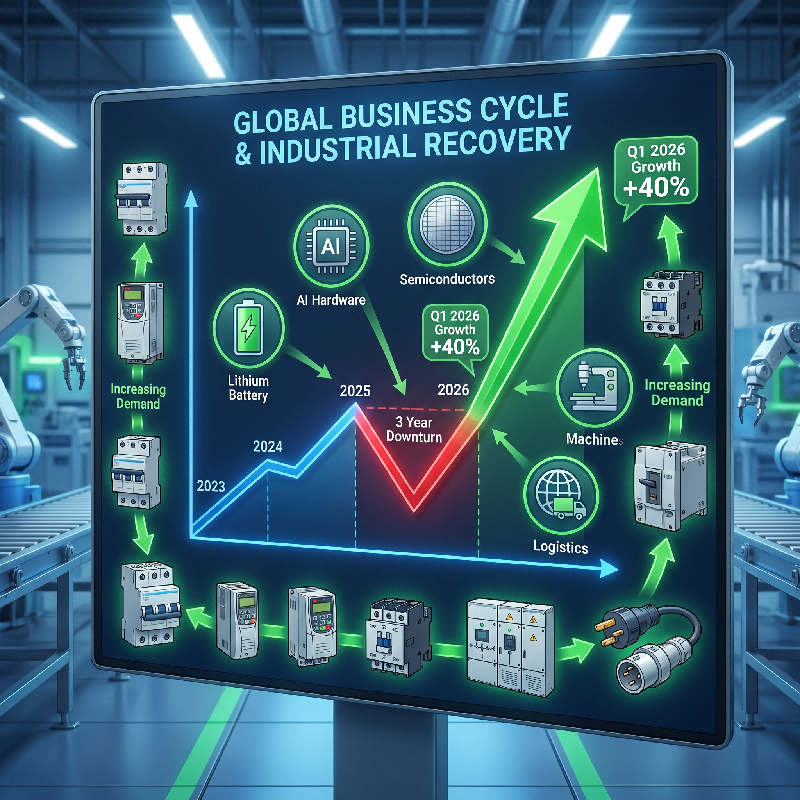
Industrial automation has been in a downturn for three years. Many factories delayed equipment purchases and held off on upgrades. That period is now ending as a new cycle begins. The first quarter of 2026 showed strong signs of recovery. Leading automation companies reported order growth exceeding 40 percent. This rebound is driving demand for electrical components across all categories. Let me explain exactly what is happening in this market. I will also tell you what it means for component suppliers. The recovery is real and gaining momentum quickly.
The Numbers That Confirm the Recovery
Automation orders in Q1 2026 grew by over 40 percent year over year. This growth came from multiple industries all at once. Lithium battery manufacturing is expanding capacity again after a pause. AI hardware production is ramping up to meet surging demand. Semiconductor plants are adding new fabrication lines continuously. Machine tool orders are rising as factories replace old equipment. Logistics automation is growing with e-commerce and warehouse expansion. Each of these industries needs electrical components to operate. The combined effect is a significant demand surge for suppliers.
Why the Downturn Ended in 2026
The past three years saw high interest rates and cautious spending. Manufacturers delayed capital expenditures to preserve cash. Inventory levels of components were drawn down significantly. Many factories ran with aging equipment beyond normal replacement schedules. Now interest rates are stabilizing and confidence is returning. Backlogged replacement needs are finally being addressed. New projects that were postponed are now moving forward. Government incentives for domestic manufacturing are also helping. All these factors together triggered the current recovery cycle.
Real Case: A Factory That Finally Upgraded
I consulted for an automotive parts manufacturer in Ohio last quarter. They had postponed equipment upgrades for nearly three years. Their control panels used outdated breakers and contactors. Machine downtime was becoming more frequent and costly. The plant manager finally received approval for a capital budget. We replaced twenty old motor control centers completely. Each new center required new circuit breakers and contactors. We also installed new VFDs for energy efficiency improvements. The plant has seen downtime drop by 60 percent since the upgrade. Their success is encouraging other facilities to follow suit.
Which Electrical Components Are Seeing the Highest Demand
Circuit breakers and molded case breakers are selling very quickly. Contactors and motor starters are needed for every new control panel. VFDs are in high demand for energy efficiency upgrades. Switchgear and distribution panels are required for facility power. Industrial plugs and connectors are used for equipment connections. Terminal blocks and wiring accessories complete every control cabinet. Transformers for voltage conversion are also seeing increased orders. Every automation project requires this full range of components. Suppliers who stock these items are capturing the most business.
How the Capex Cycle Drives Component Demand
A capital expenditure cycle means factories spend money on equipment. New machines require new electrical components to operate properly. Each new production line needs panels, breakers, and VFDs. Even machine retrofits require replacement of old electrical parts. The multiplier effect on component demand is very significant. One new automated line can use hundreds of individual components. These include relays, contactors, terminals, and industrial plugs. The recovery cycle creates sustained demand over multiple years. Component suppliers should prepare for this extended period of growth.
What This Recovery Means for Suppliers
The recovery is creating opportunities for both large and small suppliers. Lead times for some components are already starting to stretch. Smart suppliers are building inventory to meet rising demand. Customers are willing to pay more for faster delivery now. Quality and reliability matter more than the lowest price. Suppliers with strong technical support will win more business. Building relationships with automation integrators is very important. The companies that prepare now will capture market share. Those that wait may miss the start of this cycle.
Which Industries Are Leading the Recovery
Lithium battery manufacturing is growing rapidly again in 2026. New gigafactories are being announced in multiple countries. AI hardware production is expanding to meet computing demand. Semiconductor fabrication plants are adding new production lines. Machine tool builders are seeing orders return to healthy levels. Logistics and warehouse automation continues steady growth. Food and beverage processing is investing in new equipment. Pharmaceutical manufacturing is expanding capacity as well. Each of these industries needs electrical components for automation.
How Component Suppliers Can Capture This Demand
First, review your inventory levels for the most popular components. Second, identify which industries are growing fastest in your region. Third, create targeted marketing content for those specific industries. Fourth, build relationships with automation integrators and panel builders. Fifth, ensure your products have proper certifications for each market. Sixth, offer technical support to help customers select the right parts. Seventh, keep your website updated with current product information. Eighth, be responsive to quote requests and deliver quickly. These eight steps will help you succeed in this recovery cycle.
Conclusion: The Recovery Is Just Getting Started
Industrial automation recovery is real and gaining momentum daily. The new capex cycle will likely last for several years. Electrical component demand will remain strong throughout this period. Suppliers who position themselves correctly will see significant growth. Do not wait for the cycle to peak before taking action. Start preparing your inventory and marketing materials today. The opportunities in industrial automation are too large to ignore.