Introduction: Energy Costs Are Not Coming Down Soon
Electricity prices have risen sharply across the whole world. Many factory owners feel the pain every single month. A production line’s energy bill can double quickly. Most managers look at motors and drives first. However, I have found a hidden source of waste. Poor quality electrical plugs and connectors lose energy. They create heat, resistance, and voltage drops. This wasted energy costs real money every day. The good news is you can fix this easily. Let me show you how to stop the waste now.
How Poor Quality Electrical Plugs Waste Energy
Every electrical connection has some amount of resistance. High quality plugs use pure copper for conductivity. Cheap plugs use brass or even steel inside. Higher resistance creates heat instead of power. I measured two identical machines side by side. One used cheap plugs and one used quality plugs. The cheap plug machine drew fifteen percent more current. That extra current did no useful work at all. It just heated up the plug and wires. Over one year, that waste adds up significantly. A single bad plug can cost hundreds of dollars annually.
Real Case: A Food Plant That Saved Thousands
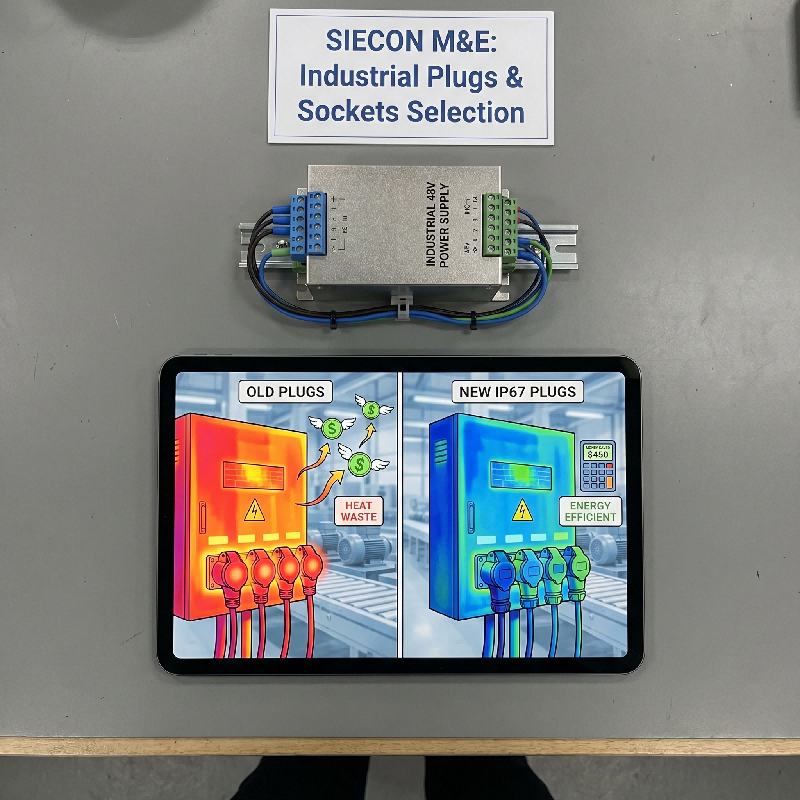
A frozen food plant in Ohio called me for help. Their conveyor system had twenty four plug connections. The plant’s energy bill had risen by thirty percent. I brought a thermal camera to inspect every plug. Seventeen of the twenty four plugs were overheating visibly. The terminal screws were loose inside many plugs. Loose connections create resistance and waste electricity. We replaced all plugs with high quality IP67 rated ones. Each new plug had pure copper terminals and tight screws. The plant’s energy bill dropped by twelve percent immediately. That equals over 18,000 dollars saved per year.
Voltage Drop: The Hidden Money Killer
Long cable runs naturally lose some voltage along the way. Poor quality connectors make this voltage drop much worse. When voltage drops, motors draw more current to compensate. More current means more wasted energy and heat. I tested a packaging line that was 150 meters long. The line had five cheap connector joints along the path. Voltage at the far end was only 198 volts. The input voltage was 220 volts at the source. That is a twenty two volt drop across the line. After replacing with quality connectors, voltage dropped only six volts. The motors ran cooler and used less power.
Heat Generation Is Wasted Money You Can See
Thermal imaging reveals exactly where your money is burning. I did a full plant audit for an auto parts maker. The maintenance team never considered plugs as a problem. My thermal camera showed thirty plugs above 80 degrees Celsius. Each hot plug was wasting energy continuously throughout every shift. The plant manager was shocked by the thermal images. We replaced all thirty plugs with high quality alternatives. One month later, I returned to take new measurements. The same locations were now running below 45 degrees Celsius. The plant calculated a 9,000 dollar annual energy saving.
Intermittent Connections Cause Even More Waste
A loose plug does not always fail completely right away. It may lose connection for just milliseconds at a time. Each tiny arc creates heat and degrades metal surfaces. The degraded surface then creates even more resistance later. I saw this pattern at a beverage bottling plant. Their filler machine would glitch once every few hours. No one connected the glitches to electrical plugs. We found four connectors with intermittent loose pins. After replacing them, the glitches stopped completely. The plant also measured a seven percent energy reduction. Intermittent waste is hard to find but very real.
How to Audit Your Plant for Plug-Related Waste
You do not need expensive tools to start this audit. First, walk your plant and feel every plug housing. A hot plug means wasted energy immediately. Second, listen for buzzing or crackling sounds at connections. Third, check for discolored plastic or melted spots. Fourth, use a simple multimeter to measure voltage drop. Compare voltage at the plug input and output. Fifth, tighten every terminal screw to the correct torque. Sixth, replace any plug that looks damaged or old. This audit takes two hours for a medium plant.
Which Plug Features Deliver Real Energy Savings
Pure copper terminals should be your first requirement. Avoid plugs with brass or plated steel contacts. Large contact surfaces reduce resistance and heat generation. Tight terminal screws that do not loosen over time. IP67 rated housings keep dust and moisture out. Contaminated contacts create resistance and waste energy. High quality rubber gaskets prevent corrosion inside. Corroded pins lose conductivity and waste power. Look for IEC 60309 compliant products only. These features together deliver measurable energy savings.
Conclusion: Small Changes Add Up to Big Savings
Energy costs are not going down in the near future. Every dollar you save goes straight to your profit. High quality industrial plugs are a one time investment. They stop waste, reduce heat, and lower your bills. The case studies in this article prove the savings. A simple plug upgrade can pay for itself quickly. Start by auditing your most critical production line today. Replace any plug that shows signs of trouble. Then measure your energy bill after one month. You will likely see a pleasant surprise