Introduction: A Normal Day Turned Into a Nightmare
It started like any other Tuesday morning at work. Our jobsite was a new industrial building project. We had sixty workers ready to pour concrete that day. The concrete pump was set up and ready to go. Then the pump would not start at all. The operator tried everything he knew to try. No lights, no sounds, no movement from the machine. We lost four hours trying to diagnose the problem. Finally, we found the cause hidden in plain sight. A single wet plug had shut down our entire jobsite. This is the story of what happened next.
What Actually Happened That Morning
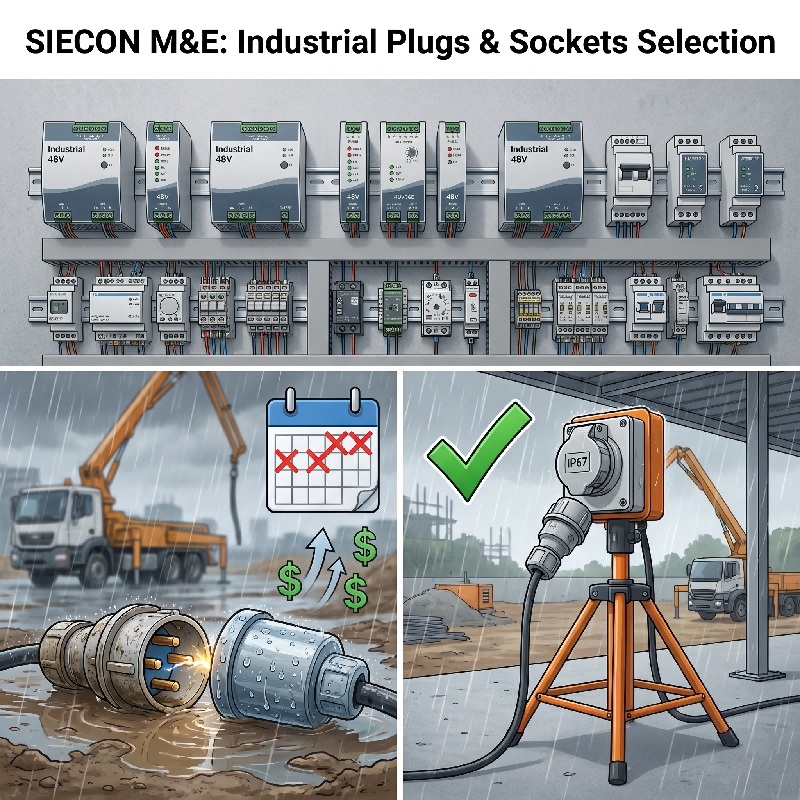
The concrete pump was connected using a heavy duty extension cord. The cord ran across a low area of the jobsite. The night before had seen unexpected heavy rainfall. Water pooled in that low area without anyone noticing. The connection point where two cords met sat in water. The plug was rated as weather resistant by its manufacturer. However, the rating was only IP44, not fully waterproof. Water seeped into the plug housing slowly overnight. Inside, water created a short circuit between the live pins. The short circuit tripped the main breaker for the entire area. That is why the pump would not start at all.
The Immediate Cost of One Small Wet Plug
Our concrete pour was delayed by three full days. Sixty workers stood idle for most of the first day. The concrete supplier charged us a cancellation fee. We had to reschedule the pump truck for later that week. The electrical contractor spent six hours finding the problem. Then we paid for emergency replacement of the damaged plug. The total direct cost was over 28,000 dollars. That number does not include the schedule delay impact. Other trades had to rearrange their work plans too. One small wet plug caused all of this trouble. The indirect costs pushed the total even higher.
Why Did I Not Catch This Problem Earlier
I was the senior engineer responsible for site safety. I had done a walkthrough the day before the rain. The extension cord layout seemed fine at that time. I did not check the IP rating of every plug. I assumed all outdoor plugs were properly waterproof. That assumption was completely wrong and very expensive. The crew had used an indoor rated extension cord outside. No one had thought to verify the plug specification. I learned that assumptions have no place in electrical safety. Now I personally check every single outdoor connection. A five minute check could have saved 28,000 dollars.
Real Lesson One: Understand IP Ratings Correctly
IP44 means the plug is splash proof but not submersible. IP67 means the plug is fully dust tight and waterproof. Many people think weather resistant means waterproof. That misunderstanding nearly ruined our construction schedule. Water can pool as little as five centimeters deep. An IP44 plug sitting in that water will fail. I now require IP67 for any temporary outdoor power. Permanent outdoor installations also need IP67 rating. The cost difference between IP44 and IP67 is very small. But the failure cost difference is enormous in real terms. Always read the IP rating label before installing any plug.
Real Lesson Two: Elevate All Temporary Connections
Water always flows to the lowest point on any site. If your connection sits on the ground, it will get wet. We now use portable cable stands for all outdoor connections. These stands keep plugs at least thirty centimeters high. Water on the ground cannot reach the elevated plug housing. This simple solution costs only a few dollars per stand. The crew can make stands from scrap wood or blocks. We also use waterproof connection boxes for critical power. These boxes have gasketed lids and raised internal sockets. Elevating connections is the cheapest insurance you can buy.
Real Lesson Three: Inspect After Every Rain Event
Weather changes quickly and unpredictably on job sites. A dry morning can become a flooded afternoon easily. We now have a mandatory post-rain inspection procedure. A qualified person walks every power connection location. They check for standing water near any plug. And they feel each plug housing for moisture or heat. They verify that no connection has been disturbed or moved. This inspection takes only fifteen minutes to complete. But it can prevent a full day of lost productivity. I write the inspection results in a simple log book. This habit has saved us from three more wet plug failures since.
How We Fixed the Problem Permanently
We replaced every outdoor plug with genuine IP67 rated ones. All new plugs have rubber seals at both ends. We trained every crew member on proper sealing techniques. A twisted seal will fail even with an IP67 rating. We bought twenty portable cable stands for the whole site. We designated one person as the daily power inspector. That person checks all connections every morning and after rain. We created a simple checklist posted in the site trailer. The checklist includes IP rating verification and elevation checks. Since making these changes, we have had zero wet plug failures. The 28,000 dollar lesson was painful but very valuable.
Conclusion: Do Not Learn This Lesson the Hard Way
One wet plug shut down our entire jobsite for days. You do not need to make the same mistake we did. Check the IP rating of every outdoor plug today. Elevate all temporary connections off the wet ground. Inspect every power point after any rainfall event. Train your team to understand IP67 versus IP44. The cost of prevention is very small indeed. The cost of failure can be tens of thousands. My team learned this lesson in the worst possible way. Please learn from our expensive mistake instead.