Johnathan M. Ellis is a senior industrial enclosure design engineer with 14+ years of experience in NEMA-rated enclosure engineering and material performance testing. He holds a Bachelor of Science in Mechanical Engineering, specializes in weatherproof enclosure material selection, and has led material validation projects for utility, construction, and industrial automation clients. His work ensures NEMA 3R enclosures meet rain, snow, and corrosion resistance standards across North American outdoor installations.
What Is NEMA 3R Enclosure Material?
NEMA 3R enclosure material defines weather resistance and structural durability. These materials block rain, sleet, and external debris from internal components. Each material type directly impacts lifespan, cost, and installation suitability.Proper material choice ensures compliance with NEMA 3R environmental ratings.
Common NEMA 3R Enclosure Material Types
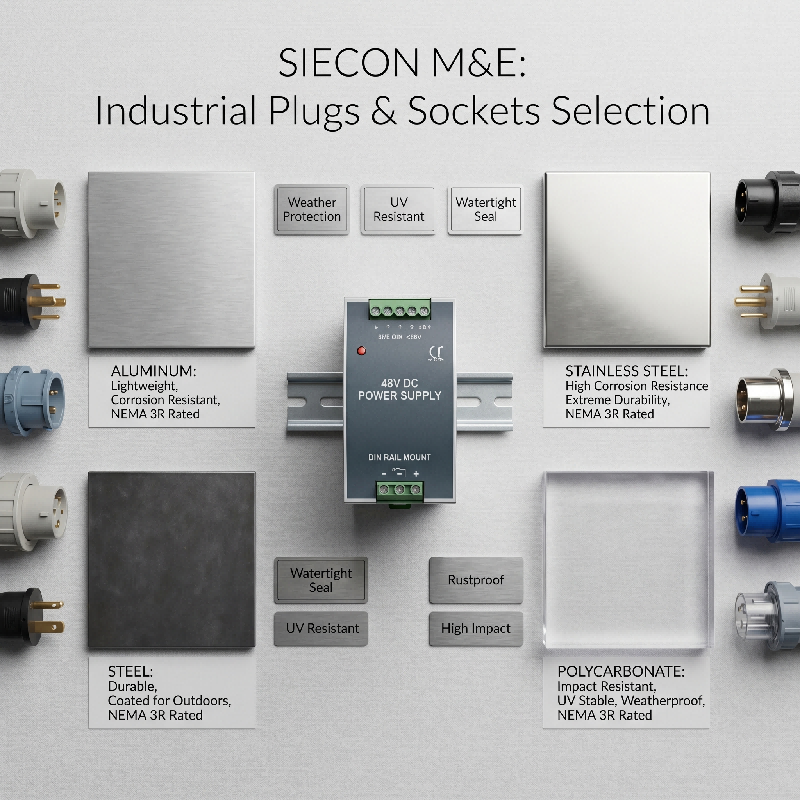
Aluminum is widely used for lightweight and corrosion-resistant NEMA 3R enclosures. Steel provides high structural strength for heavy-duty industrial NEMA 3R applications. Stainless steel delivers superior corrosion resistance in coastal or harsh environments.Polycarbonate and fiberglass offer non-conductive and chemical-resistant benefits.
Real-World Case: Aluminum NEMA 3R Enclosure Material
A municipal streetlight project used aluminum NEMA 3R enclosures across 120 locations. The material resisted rain and ice without rust over a five-year performance period. Installation teams benefited from lighter weight and faster on-site mounting speed. Total maintenance costs dropped by 32% compared to standard steel alternatives.
Real-World Case: Stainless Steel Enclosure Material
A coastal port facility deployed stainless steel NEMA 3R enclosures for control panels. Salt spray and high humidity caused no visible corrosion after three years of service. This material prevented electrical failures and reduced unplanned downtime significantly. The client extended service intervals from 6 months to 18 months safely.
Material Performance Comparison for NEMA 3R Enclosures
Aluminum balances cost, weight, and weather resistance for general outdoor use. Steel offers greater impact resistance but requires coating to avoid rust development. Stainless steel excels in corrosive zones but carries a higher upfront material cost. Non-metallic materials avoid conductivity risks and work well in chemical areas.
Key Selection Factors for Enclosure Material
First, evaluate environmental exposure such as salt, moisture, or temperature swings. Next, consider installation location and required structural strength for mounting. Then, review budget limits and long-term maintenance cost expectations. Finally, confirm compliance with NEMA 3R standards and local electrical codes.
Installation & Durability Tips for Enclosure Material
Seal all joints properly to maintain NEMA 3R protection regardless of base material. Use compatible hardware to prevent galvanic corrosion between dissimilar metals.Inspect enclosure surfaces annually for cracks, rust, or weather-related wear. Choose UV-stabilized coatings for plastic-based NEMA 3R enclosure materials.
Conclusion
Selecting the right NEMA 3R enclosure material ensures long-term outdoor reliability.Each material serves specific environments, budgets, and functional performance needs.Real project results confirm proper material choice lowers maintenance and failure risks.Following industry guidelines helps maintain NEMA 3R rating throughout service life.