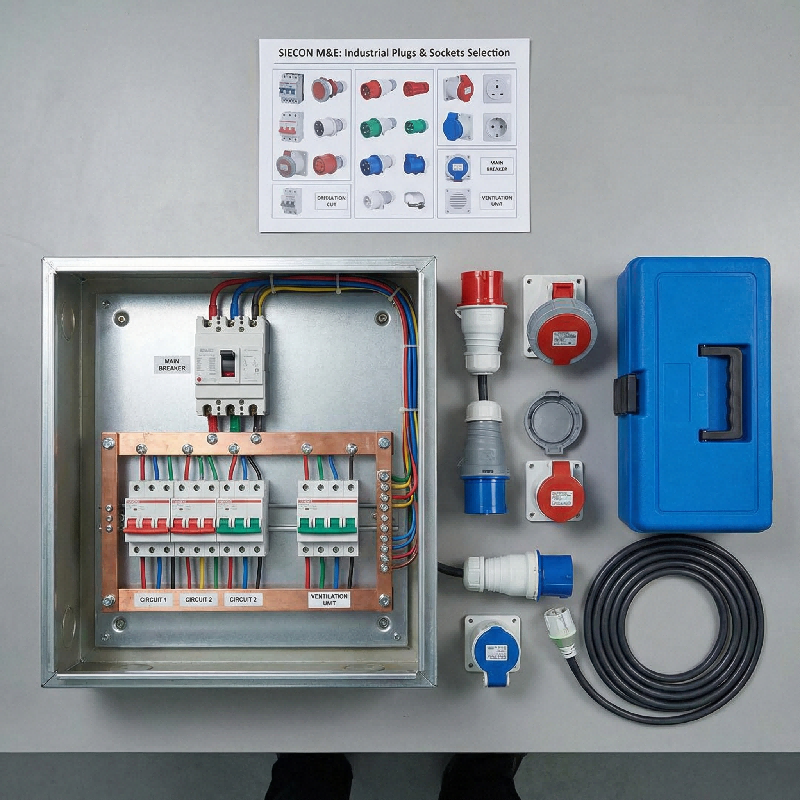
What Is a Power Electrical Power Distribution Panel?
A power electrical power distribution panel splits power to multiple circuits. It acts as a central hub for electrical power management. And it protects circuits from overloads and short circuits. It connects the main power supply to branch circuits. Every commercial building needs a properly sized panel.
Key Components of a Quality Distribution Panel
The main breaker controls the entire panel’s power flow. Circuit breakers protect individual branch circuits from damage. Bus bars distribute power evenly across all components. Terminal blocks secure wire connections safely and neatly. A door with a label ensures easy circuit identification.
Design Considerations for Optimal Performance
First, calculate the total power load required for the space. Choose a panel size that accommodates current and future needs. Ensure proper ventilation to prevent overheating issues. Follow NEC guidelines for wire sizing and component placement. Prioritize accessibility for future maintenance and upgrades.
Real-World Installation Case Study
A 50,000 sq. ft. warehouse needed a new distribution panel. I designed a 200-amp panel with 40 branch circuits. We installed it 4 feet above the floor for easy access. We tested each circuit to ensure no overloads or loose connections. The panel has operated flawlessly for 3 years with zero downtime.
Common Maintenance Practices to Extend Lifespan
Inspect the panel monthly for signs of wear or damage. Tighten loose wire connections to prevent arcing. Clean dust and debris to avoid overheating risks. Test circuit breakers quarterly to ensure they function properly. Replace any faulty components immediately to prevent failures.
Compliance Standards You Must Follow
NEC Article 408 outlines strict panel installation requirements. IEC 60439 ensures panel safety and performance globally. OSHA requires clear labeling and unobstructed access to panels. Local codes may have additional requirements for specific industries. Non-compliance can lead to fines or safety hazards.
Troubleshooting Common Panel Issues
If the panel trips frequently, check for overloads first. Loose connections often cause flickering lights or warm components. A burning smell indicates a serious issue requiring immediate shutdown. Test breakers with a multimeter to identify faulty ones. Always hire a certified electrician for complex repairs.
Future Trends in Power Distribution Panels
Smart panels with remote monitoring are becoming increasingly popular. Energy-efficient components reduce power waste and lower costs. Integration with renewable energy systems is a growing demand. AI-powered fault detection helps prevent issues before they occur. Modular designs allow for easy expansion as needs grow.